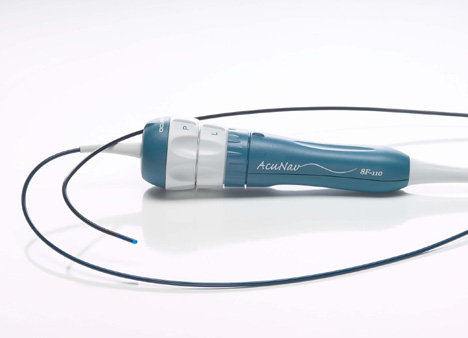
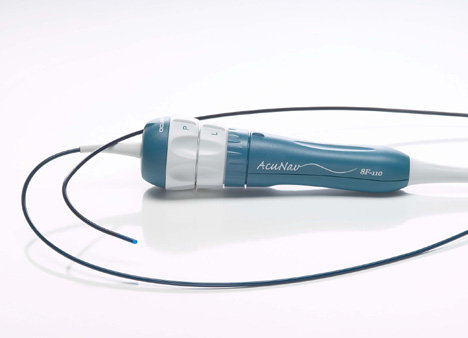
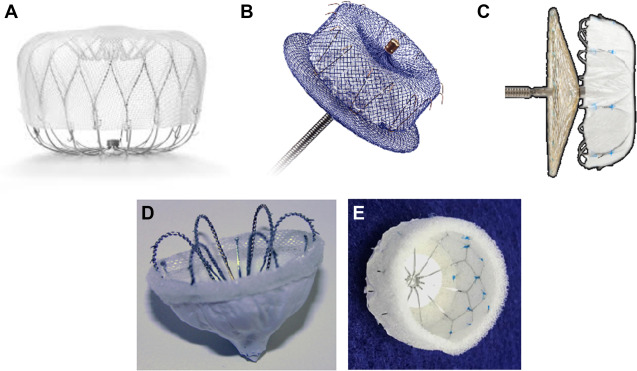
Atrial fibrillation (AF) is the most common cardiac arrhythmia in clinical practice and is associated with a significantly increased risk of ischemic stroke and systemic thromboembolic events. Oral anticoagulation (OAC), including vitamin K antagonists and direct oral anticoagulants, represents the gold standard for stroke prevention according to current guidelines. However, long-term OAC is contraindicated or poorly tolerated in a substantial proportion of patients due to high bleeding risk, comorbidities, intolerance, or poor adherence. In these settings, percutaneous left atrial appendage closure (LAAC) may be considered as an alternative therapeutic strategy. The 2024 European Society of Cardiology guidelines assign LAAC a Class IIb recommendation in patients with high thromboembolic risk and contraindications to OAC, while American guidelines upgraded the recommendation to Class IIa in similar patient populations. Additional consensus documents support LAAC in patients with recurrent bleeding, malignancy with high hemorrhagic risk, severe renal or hepatic dysfunction, thromboembolic events despite OAC, or when combined with catheter ablation of AF. This study reports a single-center experience from September 2024 to July 2025 involving 65 patients with non-valvular AF and high hemorrhagic risk undergoing percutaneous LAAC. Thromboembolic and bleeding risks were assessed using the CHA₂DS₂-VASc and HAS-BLED scores. Procedures were guided by transesophageal echocardiography (TEE) or transesophageal intracardiac echocardiography (TE-ICE, “Contarini Technique”), using Watchman FLX or LAmbre devices. Procedural success was achieved in 100% of cases, with a low rate of major periprocedural complications (1.5%). At three-month follow-up, effective LAA closure was observed in 98% of patients, allowing antithrombotic de-escalation. No ischemic strokes, systemic embolic events, or major bleeding episodes occurred at three or six months. Mild peridevice leaks were observed but did not affect clinical outcomes. Patients treated with TE-ICE showed complete closure, fewer minor leaks, and a 54% reduction in hospital length of stay, suggesting that TE-ICE is a safe and effective alternative to standard TEE, particularly in elderly and frail patients. In conclusion, percutaneous LAAC is a safe and effective strategy for stroke prevention in selected AF patients unsuitable for long-term anticoagulation, with promising results using advanced imaging techniques.