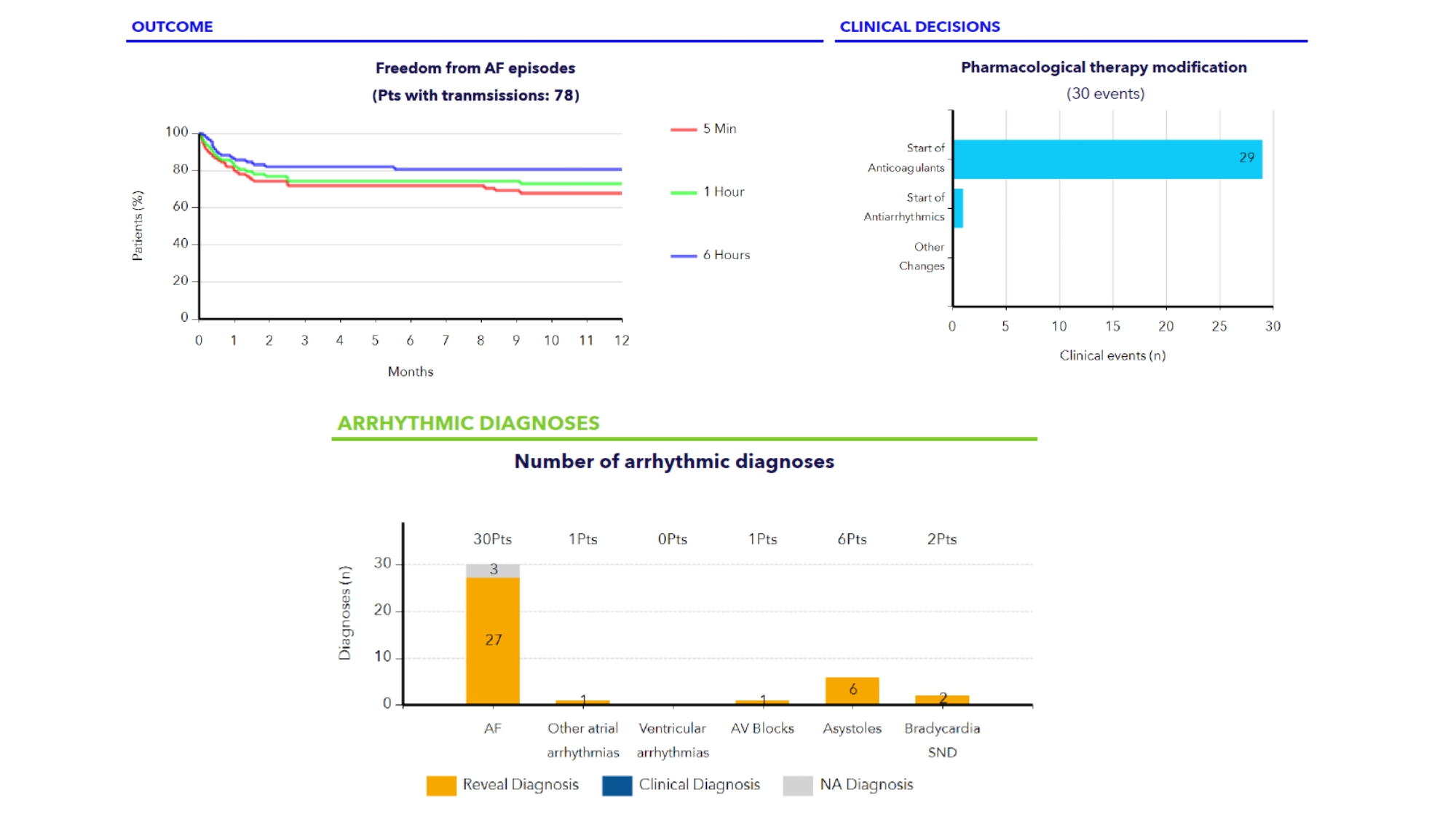
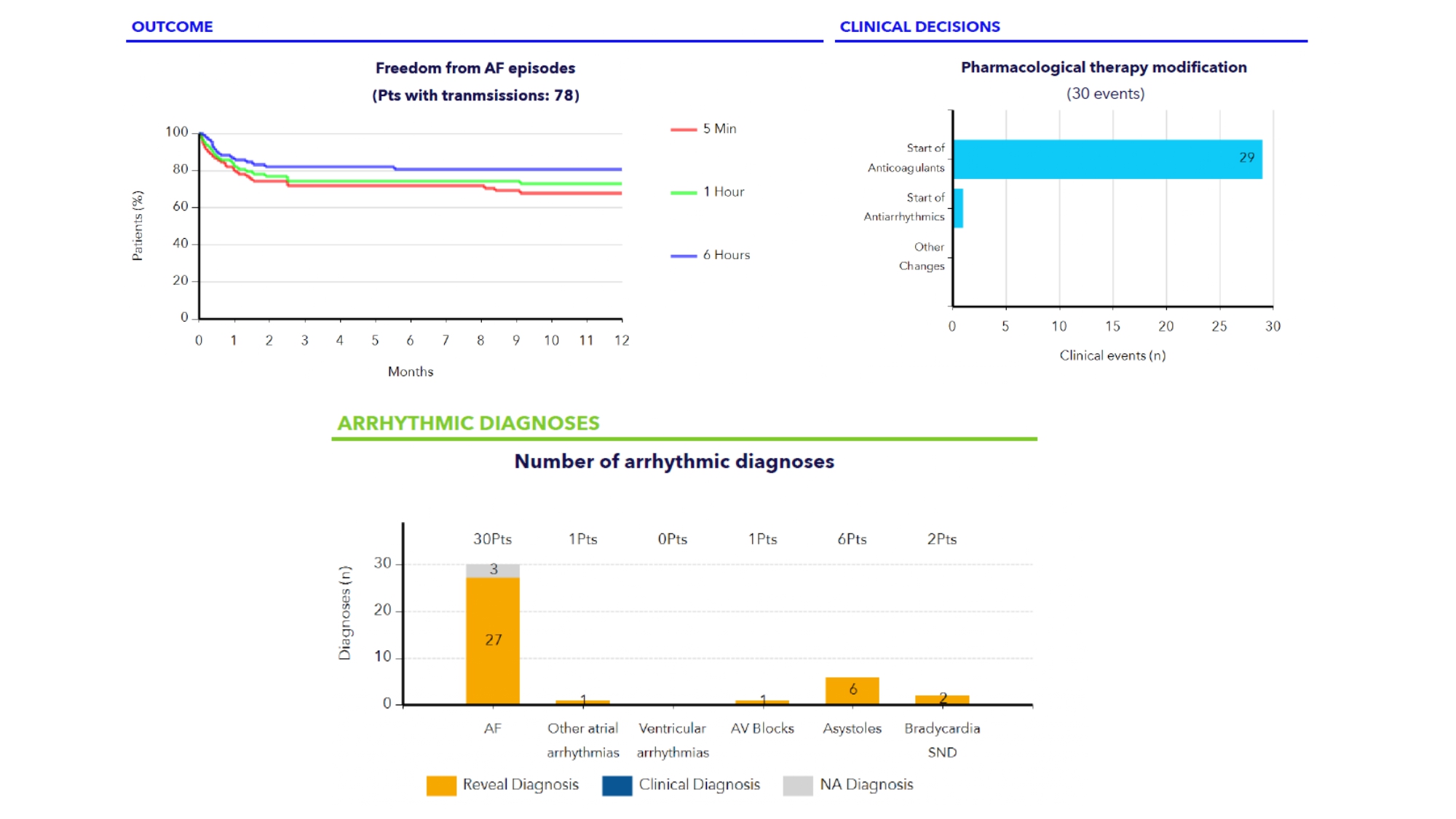
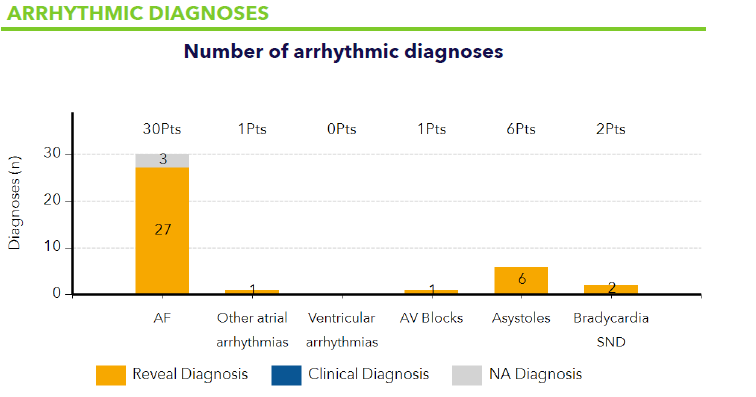
Background : Implantable loop recorders (ILRs) are increasingly used to identify occult arrhythmias in patients with cryptogenic stroke. The active involvement of nurses in device management and data triage plays a pivotal role in ensuring accurate interpretation and timely clinical action. Methods : This single-center, real-world experience included 84 patients implanted with ILRs for suspected cryptogenic stroke at the Diagnostic Center of Annunziata Hospital, Cosenza, between 2021 and 2025. Nurses managed all stages of care: patient preparation and procedural assistance, remote data monitoring, and systematic data collection through a dedicated digital platform. A structured nurse-led triage workflow was implemented to classify arrhythmic events and coordinate multidisciplinary decision-making. Results : Subclinical atrial fibrillation (AF) was detected in approximately 29% of patients, while other identified events included sinus pauses, supraventricular tachycardias, and bradyarrhythmias. Nurse-driven review enabled clear differentiation between actionable and non-actionable events, optimizing communication with physicians and facilitating timely initiation of therapies such as anticoagulation, antiarrhythmics, pacing, or ablation. At 24 months, cumulative AF incidence reached 29%, increasing to 37% at 48 months. Event distribution analysis confirmed AF as the predominant finding, followed by pauses and supraventricular tachycardias. Conclusion: This experience underscores the essential contribution of nurses in remote monitoring programs for patients with ILRs implanted after cryptogenic stroke. Their expertise in digital surveillance, clinical triage, and multidisciplinary coordination enhances diagnostic yield, supports early therapeutic interventions, and ensures personalized and safe patient management.