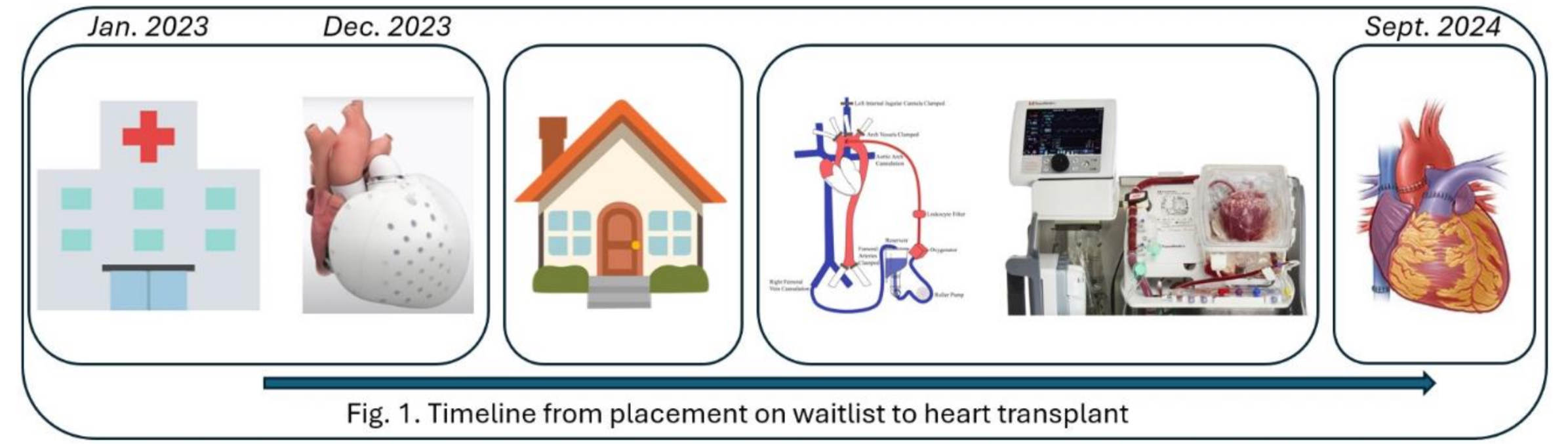
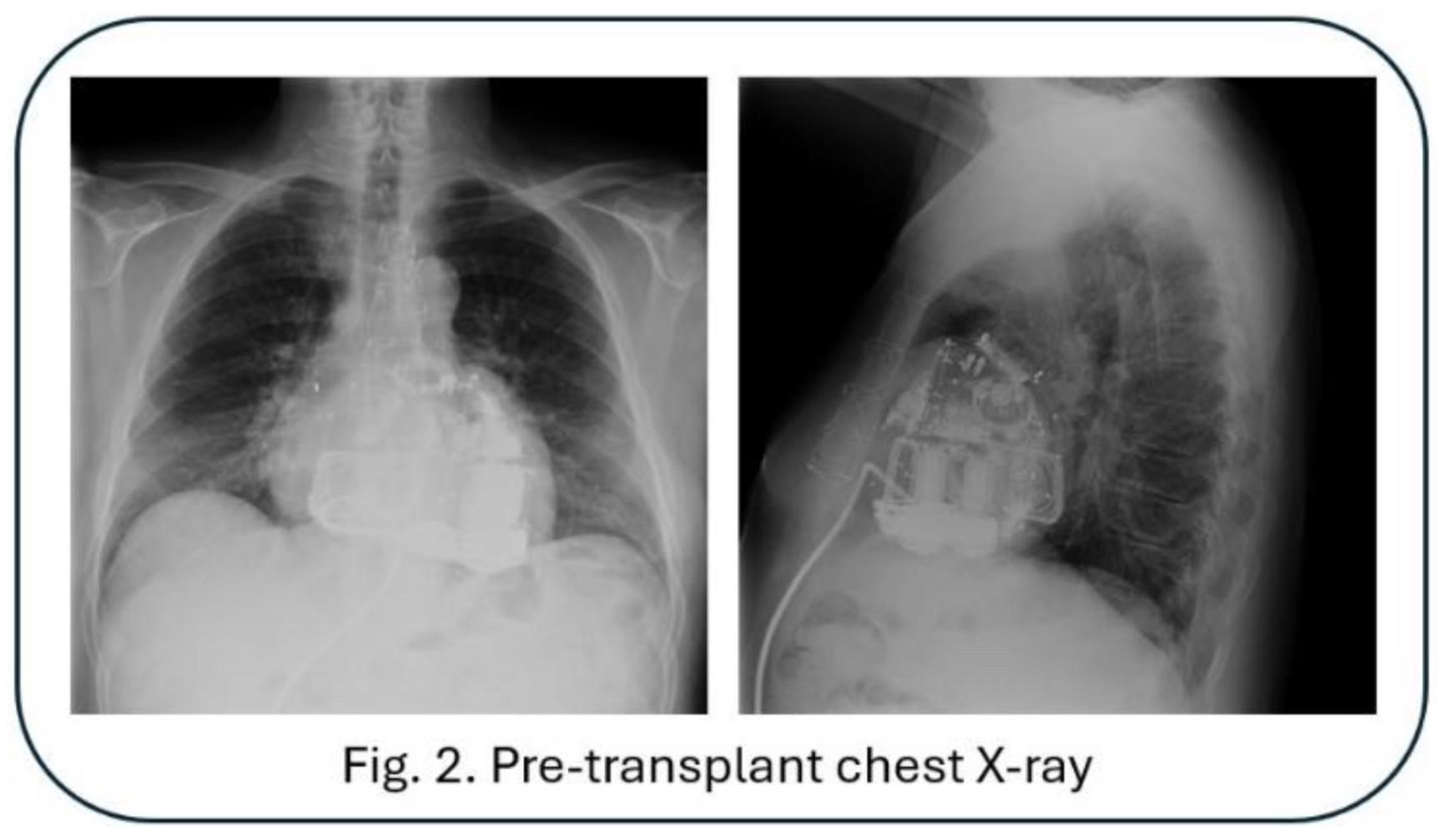
Limited donor hearts availability represents the greatest limitation for heart transplant (HTx) in modern times. Long waitlist timings lead patients to undergo HTx only after significantly declining hemodynamic conditions, burdened by the risks associated with their clinical status at time of transplant. In patients not suitable for left ventricular assist devices, the total artificial heart (TAH) might represent a feasible alternative as bridge-to-transplant. This case report involves a 64-year-old male with end-stage ischemic cardiomyopathy and significant comorbidities, including insulin-dependent diabetes and chronic kidney disease. His cardiological history started in 1997 with triple coronary artery bypass grafting after an acute myocardial infarction, progressive ischemic cardiomyopathy led to implantation of a defibrillator in 2013 and transcatheter mitral repair in 2015 for severe mitral regurgitation. From 2019 onwards he experienced worsening functional capacity, frequent hospitalizations and malignant arrhythmias. Referred to a specialized center in 2021, he was placed on the heart transplantation waiting list in January 2023. Due to progressive clinical deterioration and angina at rest, a heart team discussion was performed: a left ventricular assist device was deemed too risky because of right ventricular dysfunction. Instead, he was approved for a total artificial heart as a bridge-to-transplant and the Aeson Carmat TAH was successfully implanted in December 2023. Postoperatively, the patient recovered well, with improved exercise tolerance and renal function. In June 2024, his status was upgraded to urgency level 2 under allocation protocols for TAH patients waiting over six months. In September 2024, a compatible donor heart became available. The organ was preserved using the TransMedics Organ Care System due to the risk of prolonged ischemia. HTx was performed with initially optimal graft function. However, postoperatively, ha had severe hemodynamic instability due to descending thoracic aortic dissection. He developed profound shock and multiorgan failure despite veno-arterial extracorporeal membrane oxygenation and he died the same day. This case highlights the challenges of managing patients with end-stage heart failure and the critical role of innovative therapies like TAH as a bridge-to-transplant, that might represent a bailout solution for certain patients, allowing them to reach HTx in ideal circulatory and metabolic conditions.