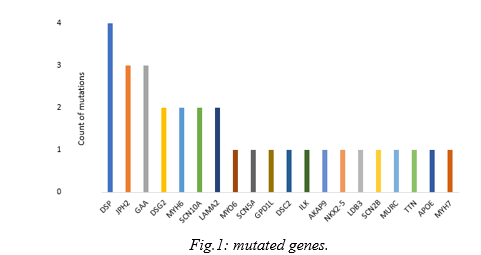
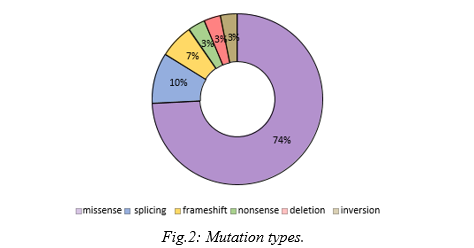
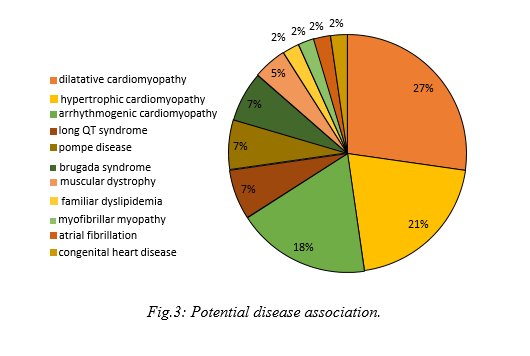
Introduction: Out-of-hospital cardiac arrest (OHCA) is the sudden cessation of mechanical cardiac activity evidenced by the lack of any systemic circulation signs, occurring outside a hospital. In young patients most of the OHCAs are attributable to structural or arrhythmogenic genetic-determined cardiomyopathies. A number of studies evaluated genetic variants in patients who survived or died in hospital following OHCA, finding variants in 11%-40% of patients. Aims: our aim is to evaluate the prevalence of genetic variants for structural or arrhythmogenic cardiomyopathies in young (≤ 50 years old) victims of OHCA due to medical cause. Material and Methods: this is a prospective, multicenter, longitudinal epidemiological study, aiming to include all the consecutive patients ≤ 50 years old suffering from an OHCA in Pavia province, due to medical cause, from May 2021 to October 24. Around 10 mL of blood has been collected during pre-hospital advanced resuscitation and DNA sequenced with a panel including 174 genes linked to cardiomyopathies, channelopathy, atherosclerosis and collagen diseases. Variants were classified according to The American College of Medical Genetics and Genomics (ACMG) classification. Results: during the study period 1815 OHCAs occurred in Pavia province and 87 of them met the inclusion criteria, 48 were tested and variants were detected in 23 patients (48%). Among them, 31 variants were discovered: 23 (74%) were variants of uncertain significance (VUS), 3 (10%) likely pathogenic (LP), and 5 (16%) pathogenic (P). Figure1 shows the distribution of the mutated genes. As showed in figure 2, most of the variants (74%) are missense mutations. As showed in figure 3, the majority of variants were associated with dilated cardiomyopathy (27%), hypertrophic cardiomyopathy (21%) and arrhythmogenic cardiomyopathy. Conclusion: this is the first experience of genetic testing on all consecutive victims of OHCA using blood sample acquired in the out-of-hospital setting of a defined area. Genetic testing revealed that 48% of tested patients exhibited mutations, a higher prevalence than reported in literature generally referred only to patients transported to hospital. For patients with pathogenic or likely pathogenic variants, genetic screening can be extended to their family members, offering an opportunity for early detection and preventive care for their relatives.