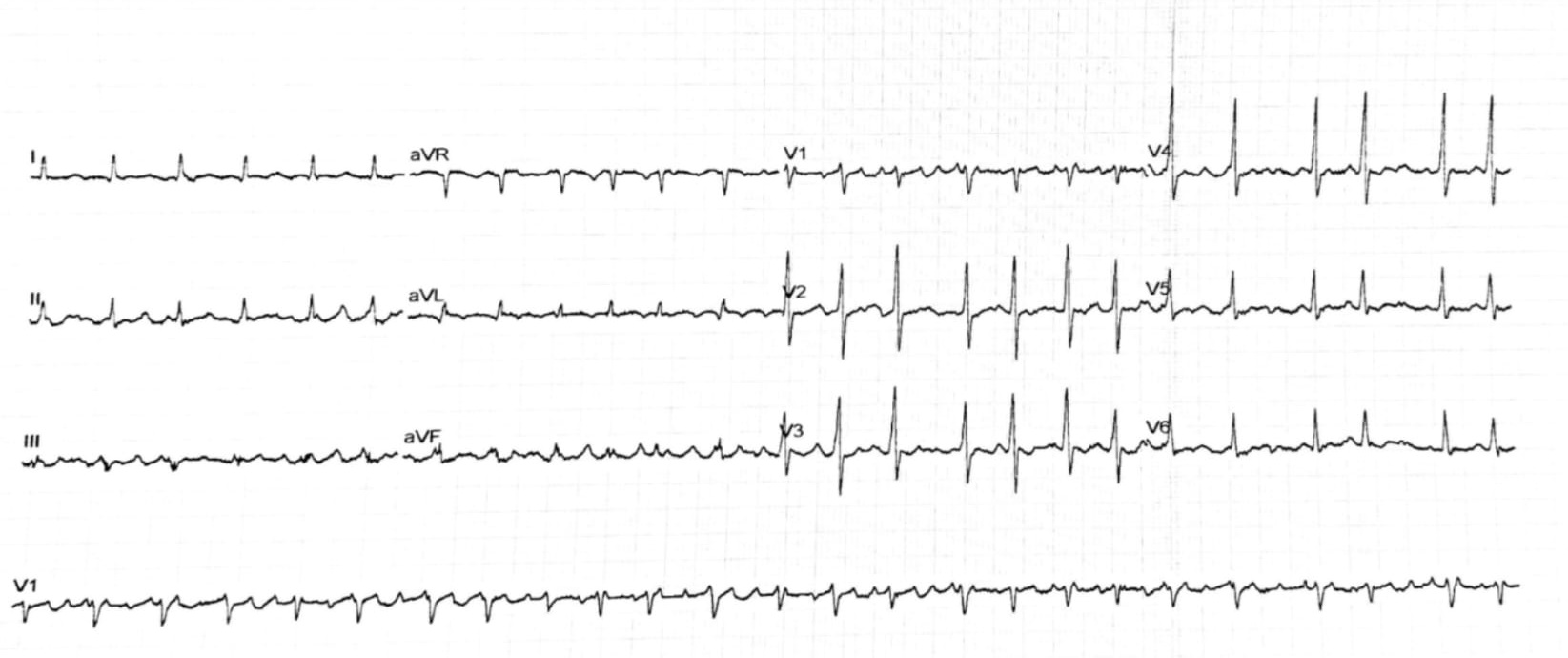
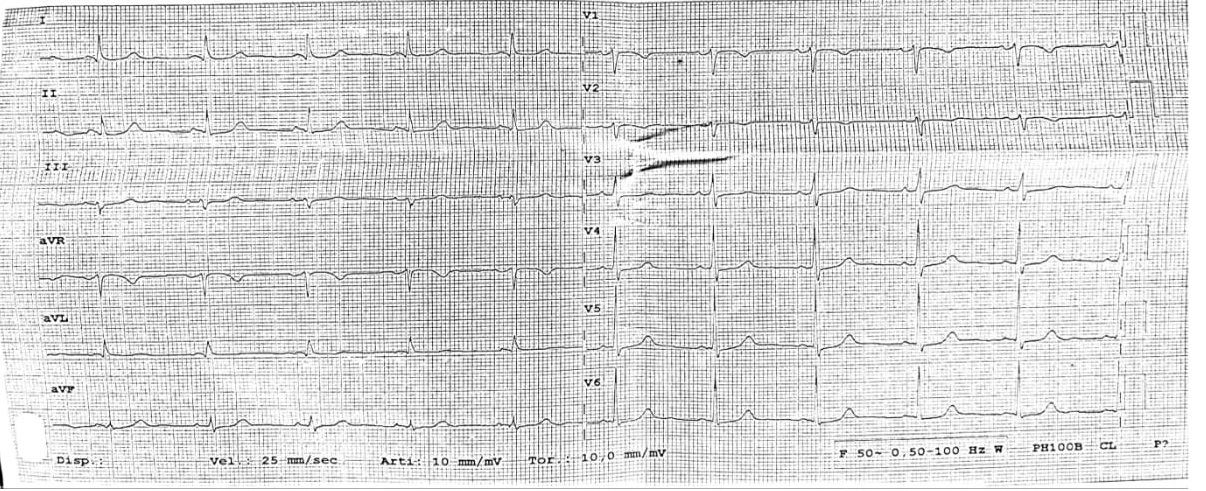
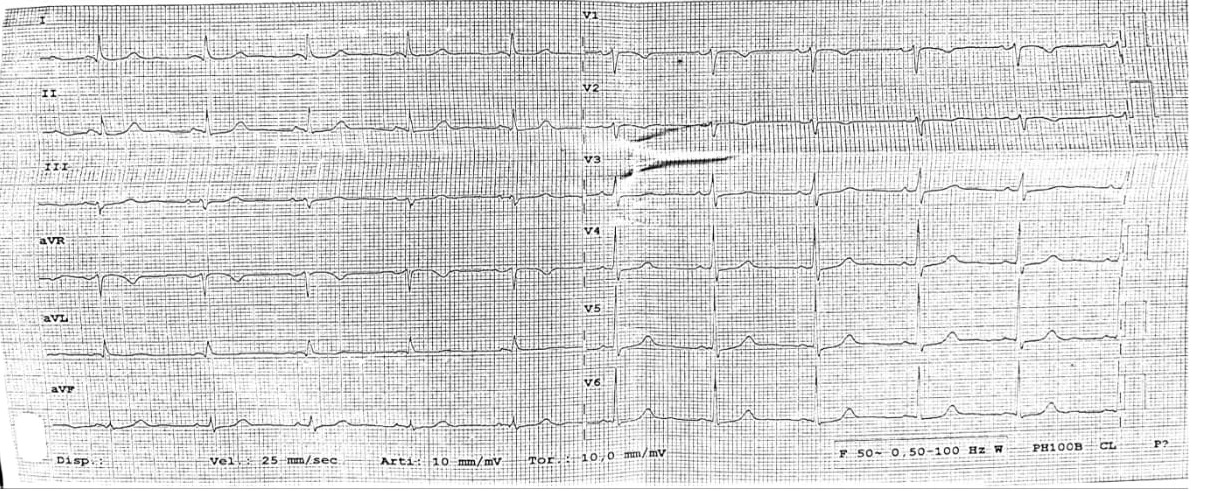
INTRODUCTION: Thyrotoxicosis can significantly affect cardiovascular health. Atrial fibrillation may lead to tachycardia-induced cardiomyopathy with left ventricular dysfunction. CASE REPORT: We describe the case of a 50-year-old woman. In October 2024, she was admitted to the Neurology Department for syncopal episodes and received a first diagnosis of atrial fibrillation, for which she underwent electrical cardioversion. In January 2025, she was hospitalized for an episode of acute heart failure due to severe left ventricular dysfunction in the setting of tachycardia-induced cardiomyopathy caused by persistent atrial fibrillation associated with hyperthyroidism (the patient was already listed for surgery with an extremely high cardiovascular risk). Coronary angiography showed no significant coronary artery stenosis. She was discharged on optimized medical therapy with bisoprolol, ramipril, canrenone, and dapagliflozin. Due to recurrent syncope and dyspnea, the patient subsequently presented again to the Emergency Department and was admitted to our Unit, where atrial fibrillation with a mean ventricular rate of 160 bpm and a LVEF of 20% were documented, despite ongoing therapy with methimazole 1 tablet three times daily and bisoprolol 10 mg/day. Laboratory tests on admission revealed marked hyperthyroidism; therefore, methimazole was up-titrated to 2 tablets three times daily, and an attempt was made to reduce the mean ventricular rate using landiolol, without therapeutic effect. A repeat neck and chest CT scan showed enlargement of the right thyroid lobe, extending into the mediastinal inlet and closely related to the common carotid artery and the right internal jugular vein. Under intensive care support, the patient underwent total thyroidectomy. Postoperatively, she was monitored in our Coronary Care Unit and started on thyroid hormone replacement therapy. Telemetric monitoring showed a progressive reduction in mean ventricular rate, and one week after surgery a gradual improvement in cardiac contractility was observed (LVEF 37%). One month after discharge, the patient underwent successful electrical cardioversion with restoration of sinus rhythm. After one month of optimized therapy, follow-up echocardiography demonstrated a marked improvement in left ventricular systolic function (LVEF 50%). CONCLUSIONS: Recognizing the impact of thyrotoxicosis on cardiac function is crucial, as achieving a euthyroid state may lead to reversal of cardiac dysfunction.