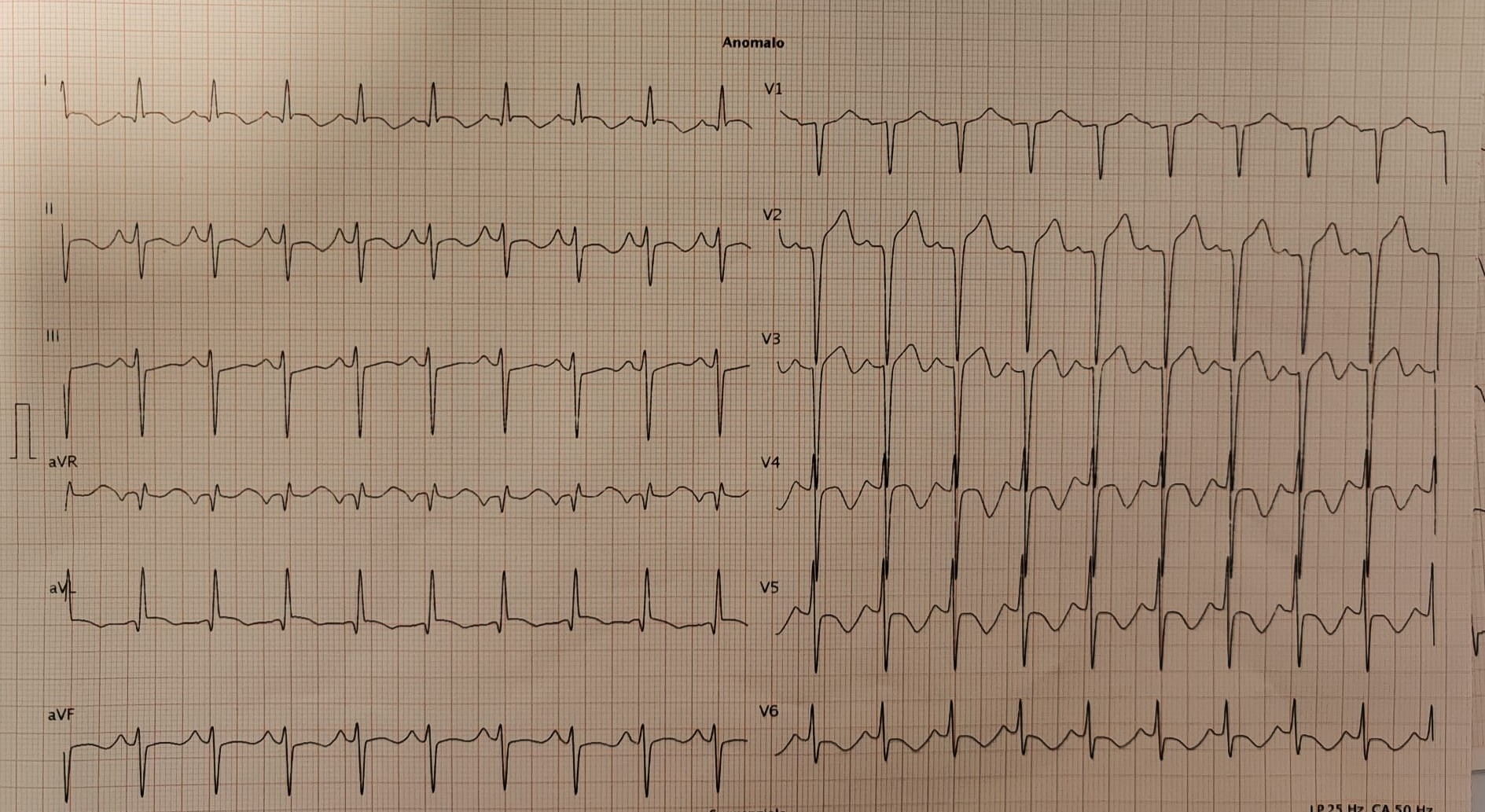
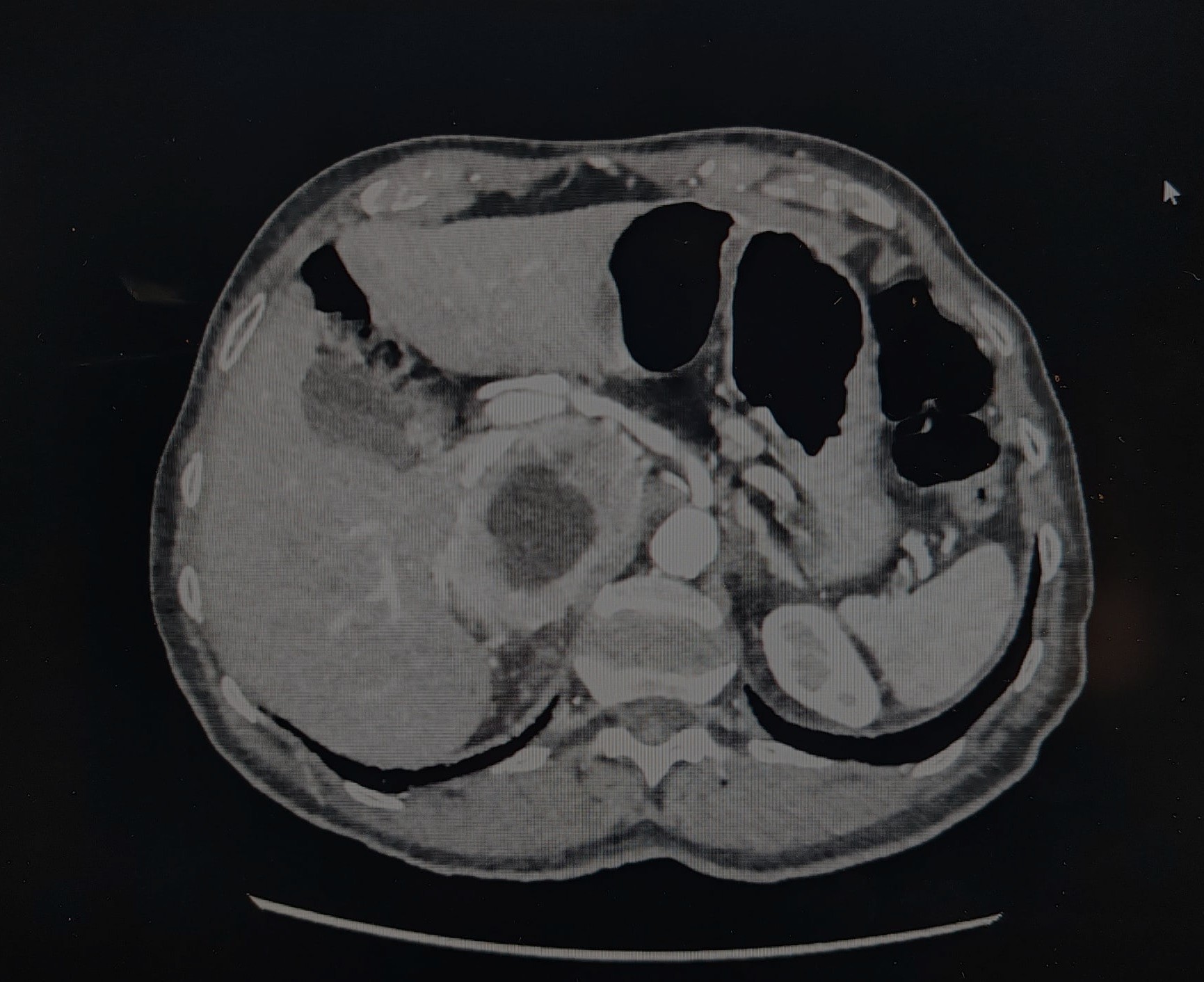
MINOCA is a heterogeneous syndrome encompassing various pathophysiological mechanisms, including vasospasm, microvascular dysfunction, spontaneous coronary artery dissection, and systemic conditions that result in a mismatch between oxygen supply and demand. Less common, but clinically relevant, causes include adrenergic crisis from pheochromocytoma, which can mimic acute myocardial infarction. We present the case of an 87-year-old patient with MINOCA secondary to catecholaminergic crisis from pheochromocytoma, a rare condition in this age group. An 87-year-old man presented to the emergency department with acute chest pain associated with marked elevation of the blood pressure. The ECG showed an anterior QS and ST-segment elevation with homologous RV atypia and elevated myocardial necrosis enzymes. The echocardiogram showed a moderate reduction in global systolic function with total apical akinesia. The patient underwent urgent coronary angiography, which demonstrated a coronary circulation free of significant stenosis. During hospitalization, marked and persistent hypertension emerged, poorly responsive to conventional therapy, associated with tachycardia and profuse sweating.Given the possible endocrine nature of the condition, an abdominal CT scan was performed, which revealed a large adrenal mass compatible with pheochromocytoma. Further investigations confirmed catecholaminergic hyperproduction and the diagnosis. Based on the coronary angiography and laboratory findings, the final diagnosis was MINOCA secondary to adrenergic crisis caused by pheochromocytoma. The subsequent hospital stay was uneventful, with a progressive reduction in hsTnI and an improvement in the ECG. After the cardiac status stabilized, the patient was referred to a level II center for treatment of the pheochromocytoma. In this case, the failure of the hypertension to respond to conventional therapies and the discordance between the ECG/enzyme findings and coronary angiography led to further endocrinological evaluation. This case highlights the importance of considering pheochromocytoma among the possible causes of MINOCA, even in advanced age. The integrated evaluation of clinical, biochemical and instrumental data is essential to avoid diagnostic delays.