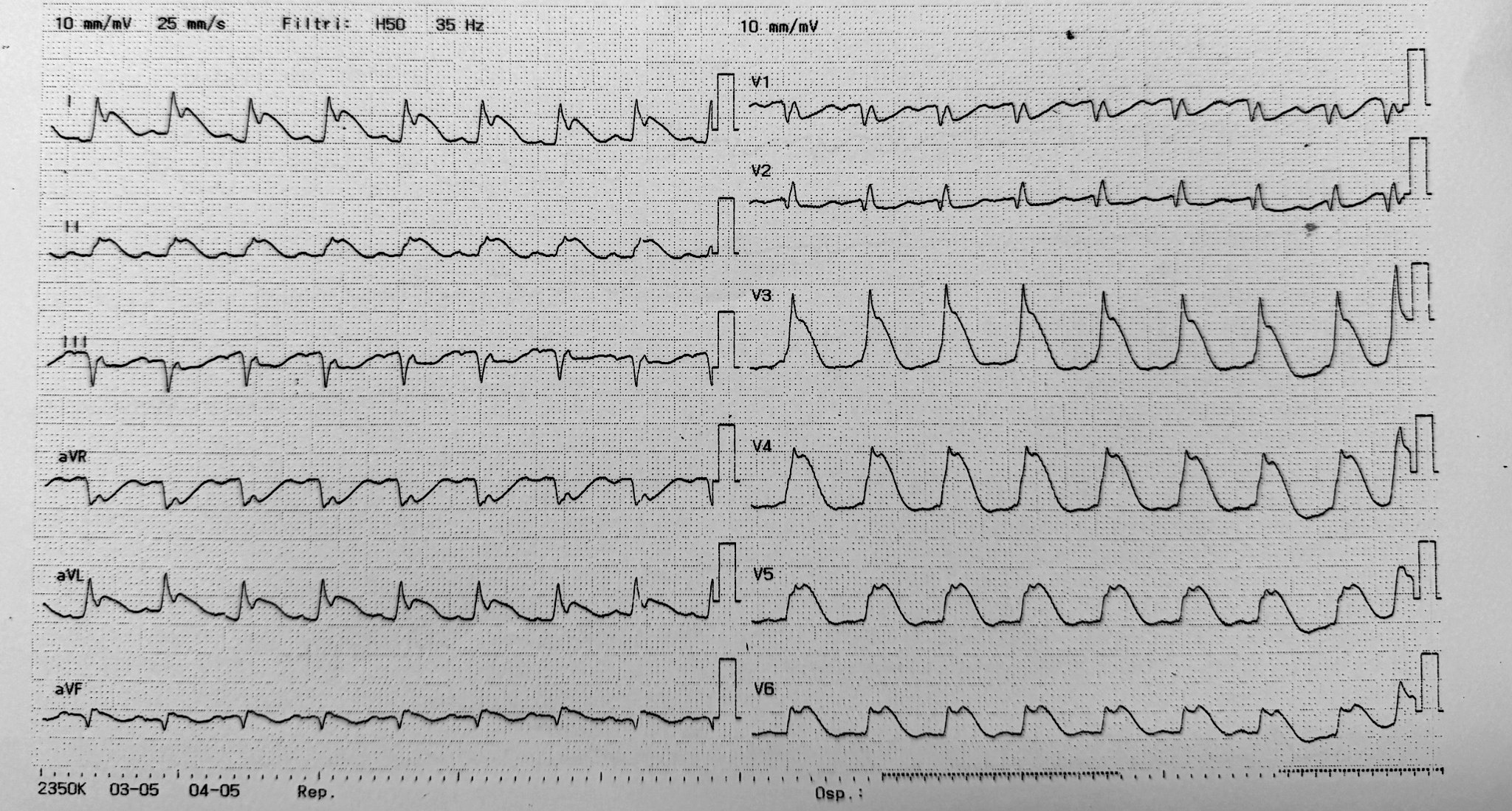
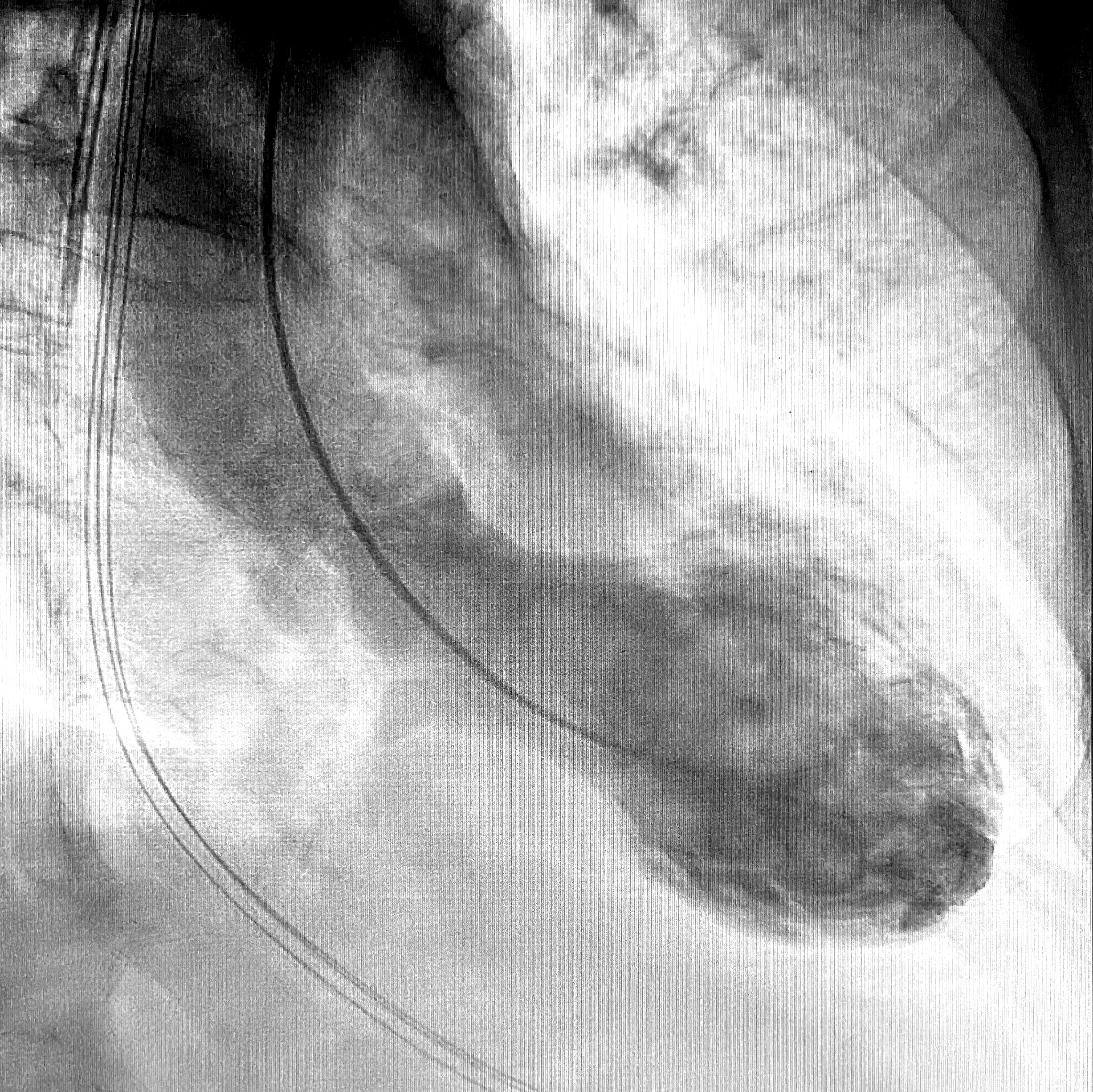
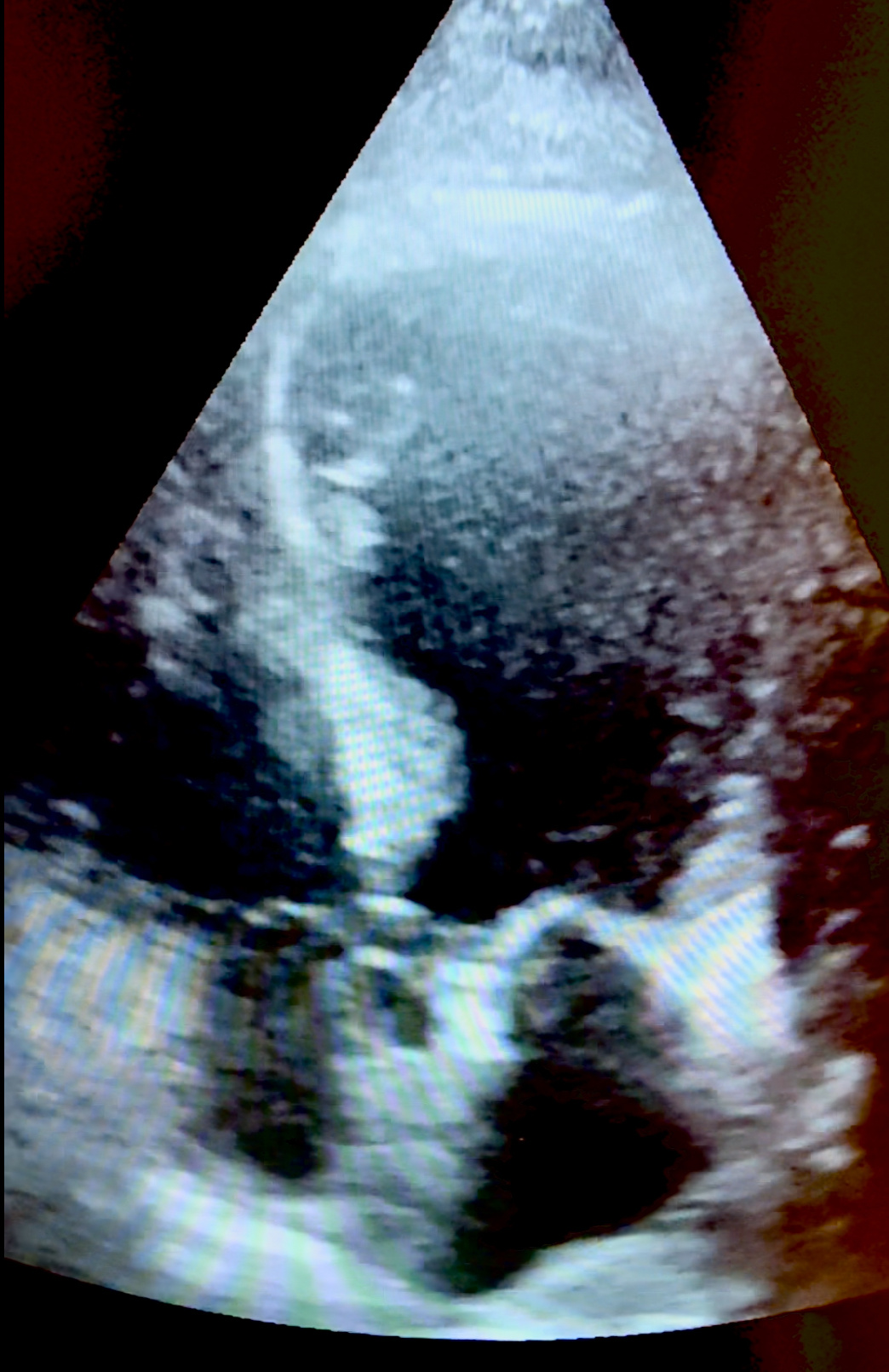
Background: Takotsubo cardiomyopathy ( TTS ) is an acute,typically reversible form of stress-induced left ventricular dysfunction characterized by transient non-coronary wall motion abnormalities.It’s often triggered by severe physical or emotional stress,viral infections and neurological disorders.The occurrence of TTS in the specific context of West Nile Virus encephalitis is exceedingly rare,and its development during critical care transitions like sedation weaning warrants clinical attention.A 72year old man with a history of chronic lymphocytic leukemia was admitted to the Intensive Care Unit due to acute respiratory failure secondary to pneumonia complicated by neuroinvasive WNV encephalitis.The patient required mechanical ventilation and intensive supportive care.On day 6 of his ICU stay,during the weaning from sedation,he acutely developed signs of myocardial injury:new ST-segment elevation on the ECG and elevation of cardiac troponin(peak1235 pg/mL).Urgent coronary angiography was performed,which identified a non-culprit,significant stenosis in the right coronary artery,treated with stenting.The subsequent left ventriculography and echocardiography revealed classic features of TTS:severe left ventricular dysfunction(EF 30%)and apical ballooning.Supportive management led to normalization of ECG,biomarkers and ventricular function.CMR was planned but has been postponed due to his severe respiratory insufficiency.Discussion:this case highlights the complexity of acute cardiac events in critically ill patients with severe neuroinvasive WNV infection.Although a direct causal link between WNV encephalitis and TTS cannot be definitively established,the patient presented with diagnostic features of TTS,likely related to the neurological stress caused by encephalitis or the physiological stress associated with acute respiratory failure or the sympathetic activation commonly observed during withdrawal of sedation and mechanical ventilation.Conclusion:TTS is a critical differential diagnosis for acute cardiac events in patients suffering from WNV encephalitis during intensive care.This case emphasizes the interplay of neurological and physiological stressors in the pathogenesis of TTS and warrants heightened clinical vigilance during sedation weaning. Figure legend Fig1A:ECG showing ST elevation(V4–V6,DI,DII,aVL); Fig1B:Left ventricular angiography with apical ballooning; Fig1C:tts echo revealing apical and para-apical akinesia with basal hyperkinesis(EF≈30%)