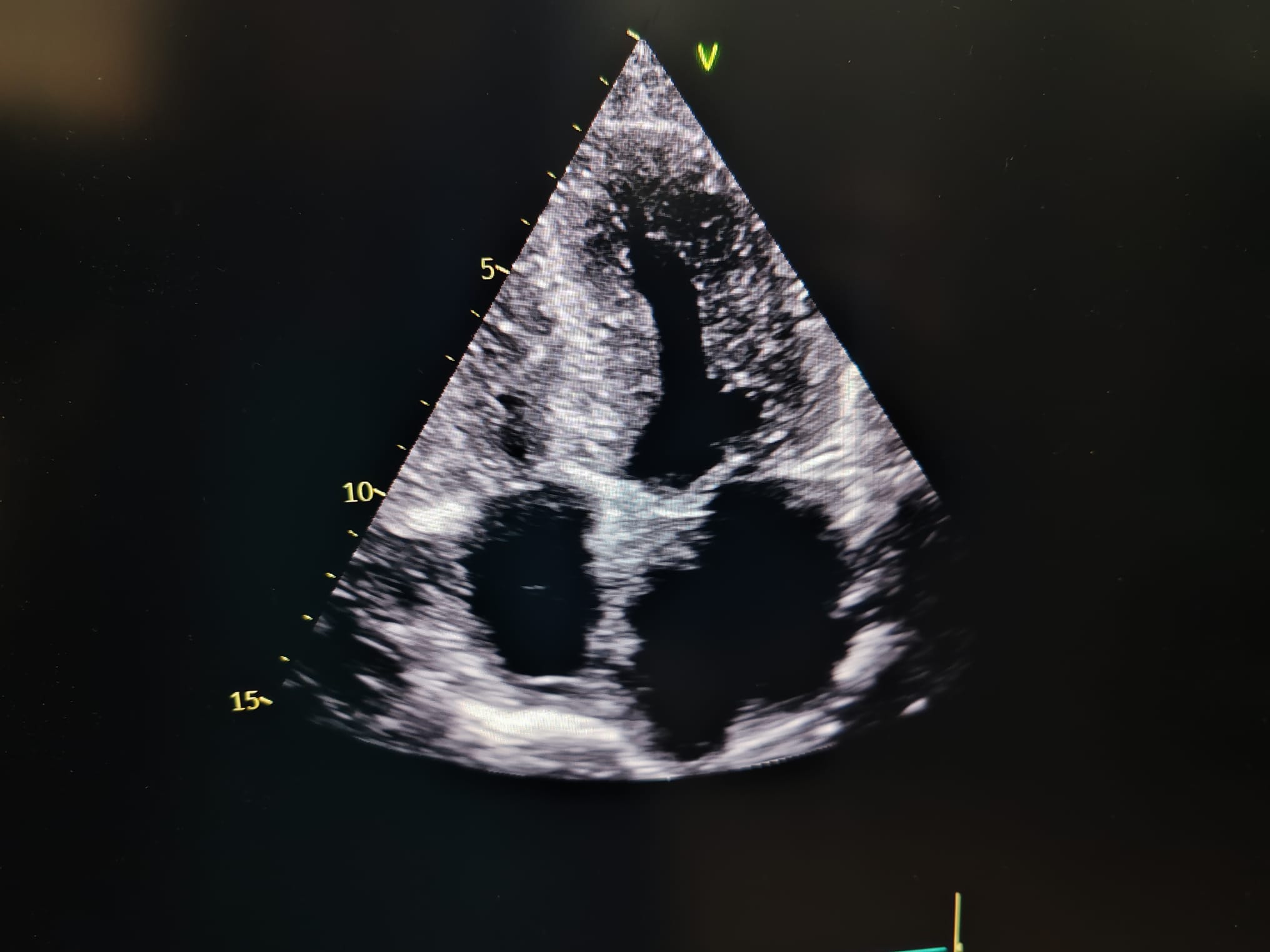
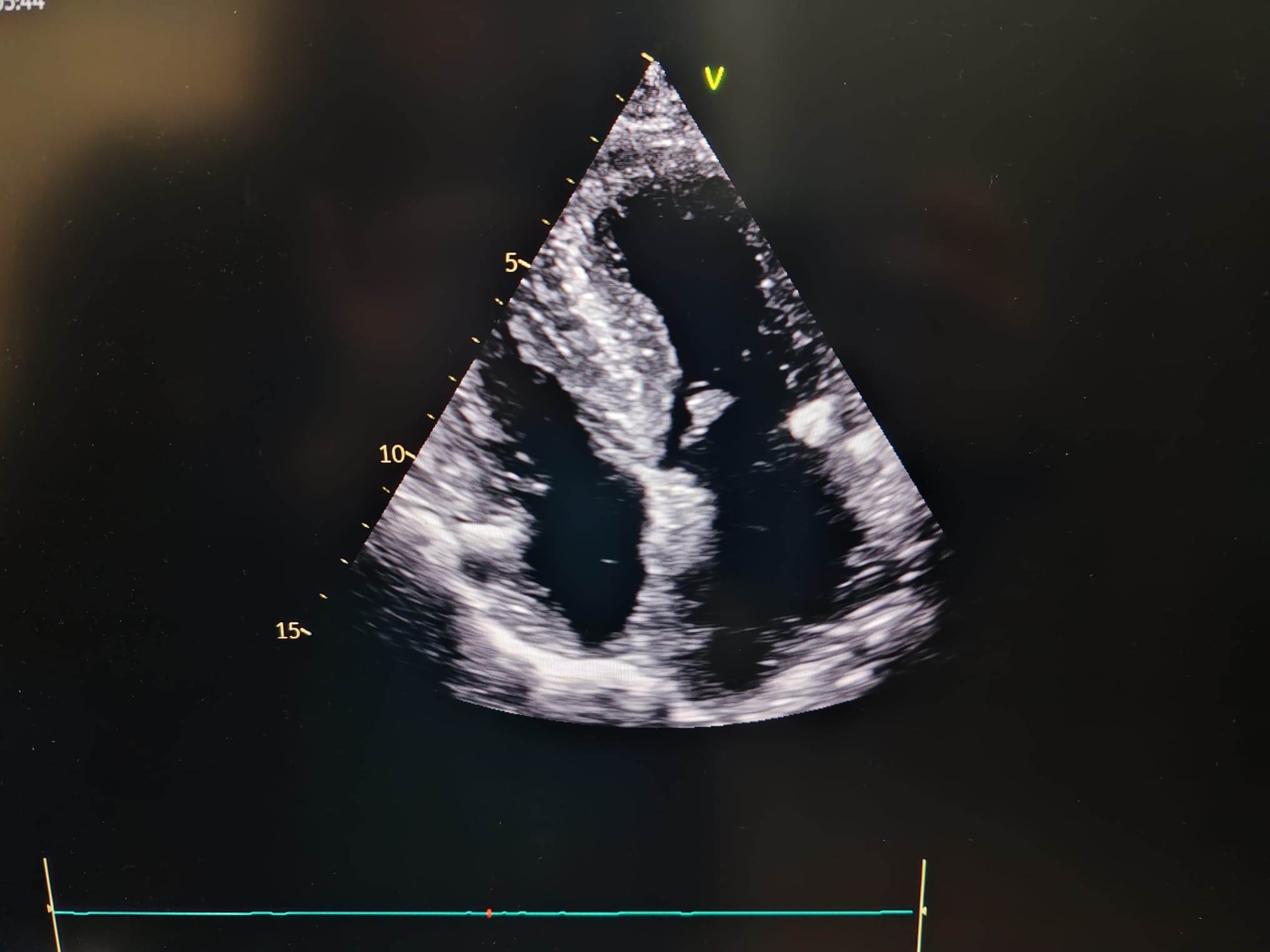
Cardiac TTR amyloidosis is an increasingly common diagnosis in the geriatric population. Although age is often a confounding factor, timely diagnosis remains crucial, especially in hereditary forms, due to its implications for family screening. This is why it is important to avoid diagnostic delays in patients who are often overlooked due to age-related comorbidities. We present the case of an 87-year-old patient who was admitted to the emergency room following an accidental fall with evidence of shoulder swelling and a high fever. Blood tests revealed increased inflammation markers (PCT 1.9 pg/ml, CRP 393 mg/dl, and neutrophilic leukocytosis). The patient was therefore admitted to the Infectious Diseases Unit with suspected septic arthritis. An MRI of the shoulders was performed, revealing severe acromioclavicular osteochondropia with abundant joint effusion and synovial capsule impregnation. Blood cultures revealed S. aureus MRSA. A cardiac evaluation was requested to exclude vegetations affecting the valvular system. The echocardiogram showed marked ventricular hypertrophy (SIV 18 mm, PP 12 mm) with apical sparing (GLS -9%) as indicated by infiltrative disease. The right ventricle was hypertrophic (9 mm) with preserved longitudinal function (S wave 13 cm/s). Papillary muscle hypertrophy was present. Global and segmental systolic function was preserved (estimated EF 55%). Grade III diastolic dysfunction (E/e' average 33). Biatrial dilation, thickening of the atrial fibrillation and valvular apparatus were present, but no significant flow changes were noted. Despite her advanced age, a bone scan was performed, revealing a pattern compatible with ATTR amyloidosis (Perugini score 3), and blood tests were within normal limits. Genetic testing was also performed, which surprisingly proved positive for the IL-68-Leu mutation. This diagnosis allowed for the initiation of family screening, which revealed the presence of the same mutation in two of her children. This clinical case highlights the importance of diagnosis even in very elderly patients, as an accurate diagnosis can have significant therapeutic and prognostic implications, especially in the family setting.