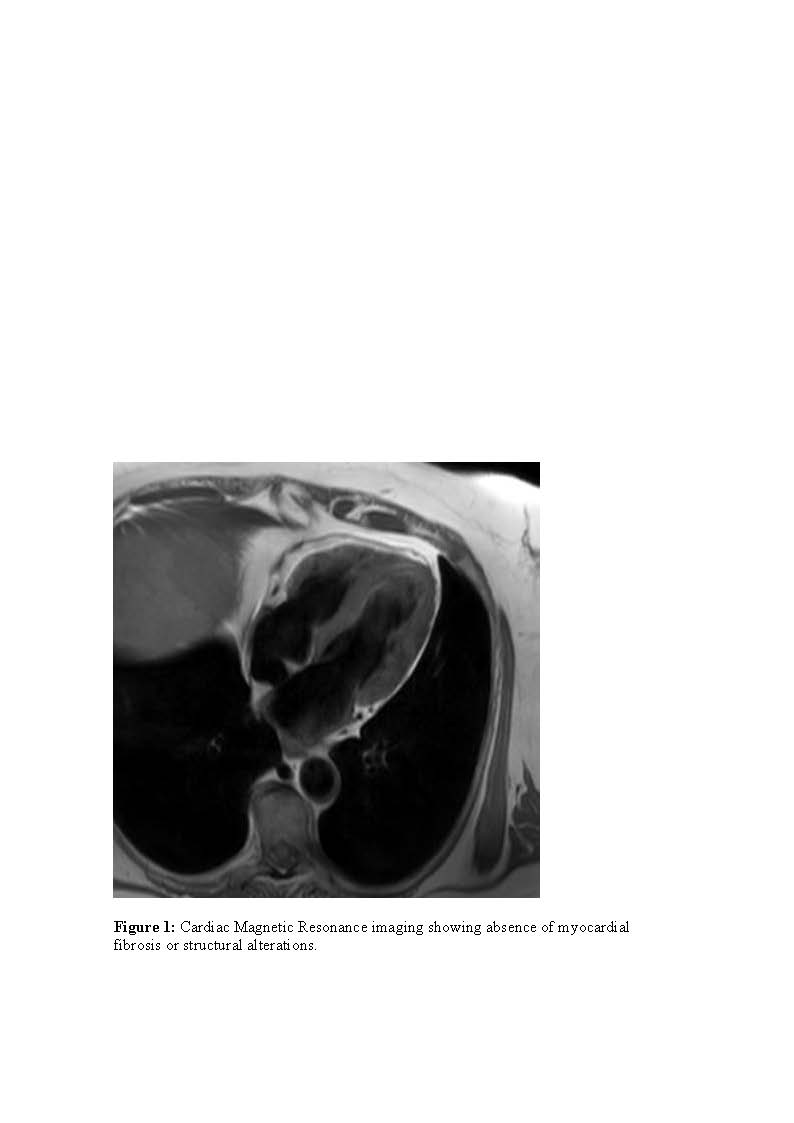
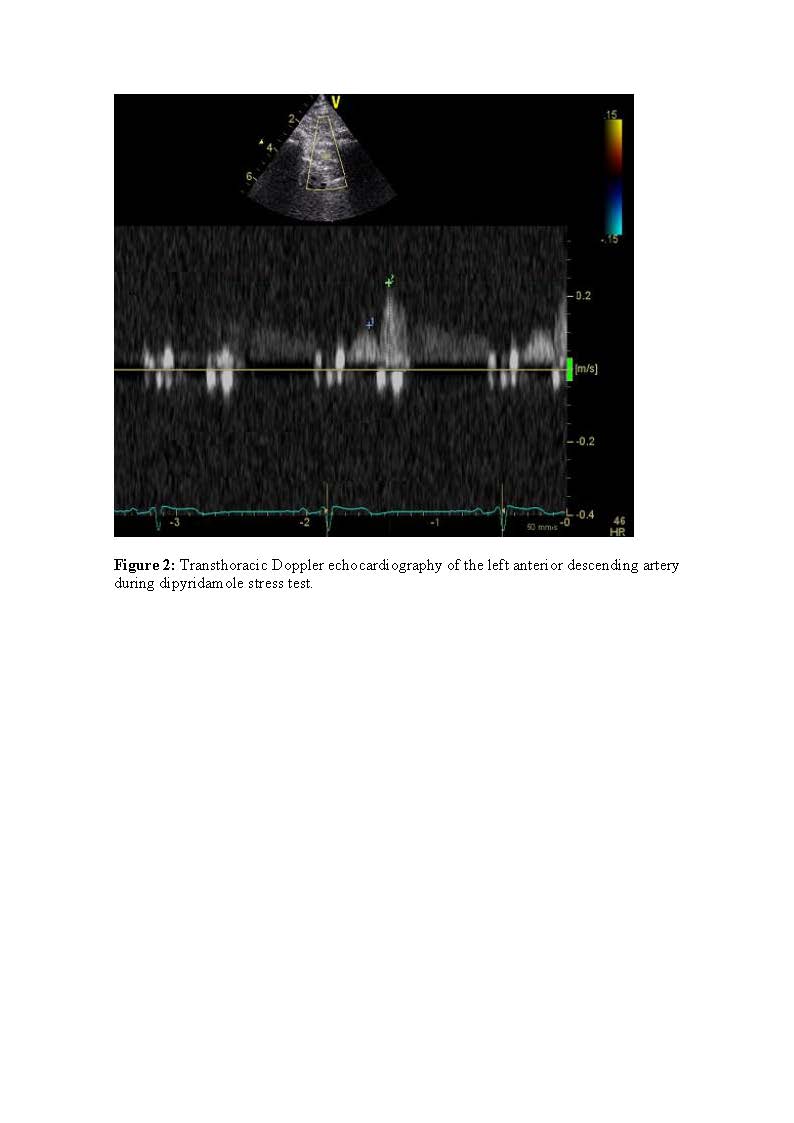
Coronary Microvascular Dysfunction (CMD) is defined as the limitation of coronary flow in the absence of obstructive epicardial lesions, driven by impaired arteriolar vasodilatory capacity. Diagnosis remains a clinical challenge. Transthoracic Doppler Echocardiography (TTDE) allows for the non-invasive quantification of Coronary Flow Velocity Reserve (CFVR), providing a reliable functional assessment of the microvasculature. A 58-year-old female with type II diabetes presented for a routine exercise stress test. During peak effort, she developed asymptomatic non-sustained monomorphic ventricular tachycardia (NSVT) lasting 20 beats. Invasive coronary angiography (ICA) revealed no obstructive lesions, though mild vasospasm was noted in the proximal Left Anterior Descending (LAD) artery during catheterization. The arrhythmia was initially interpreted as a vasospastic equivalent, and high-dose diltiazem (540 mg/day) was started. Despite treatment, a follow-up stress test showed recurrent NSVT and angina at peak load. Cardiac Magnetic Resonance (CMR) excluded structural heart disease, showing no edema or late gadolinium enhancement (LGE). A cold pressor test during echocardiography was negative. Subsequently, a pharmacological stress echo with dipyridamole was performed. Diastolic flow velocities in the LAD were measured at baseline and during hyperemia. The CFVR index was 1.3 (normal value >2), confirming the diagnosis of CMD. Treatment was adjusted according to the microvascular phenotype, resulting in significant symptomatic improvement. This case highlights the innovative role of CFVR in phenotyping patients with INOCA (Ischemia with Non-Obstructive Coronary Arteries). While ICA and CMR were unremarkable, the blunted CFVR identified a specific microvascular impairment. Crucially, the presence of NSVT suggests that microvascular ischemia can induce a dispersion of myocardial refractoriness, acting as an arrhythmogenic substrate even in the absence of macroscopic fibrosis. The failure of calcium channel blockers and the negative cold pressor test further differentiated this as a structural/remodelled microvascular phenotype rather than a purely vasomotor disorder. Conclusion: CFVR assessment by TTDE with dipyridamole is a feasible, cost-effective, and safe technique for diagnosing CMD. It provides critical prognostic information and guides targeted therapy in patients with angina and normal coronary arteries, avoiding the risks of repeat invasive procedures.