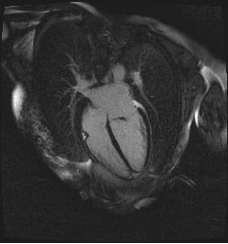
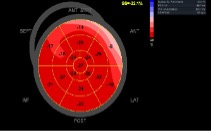
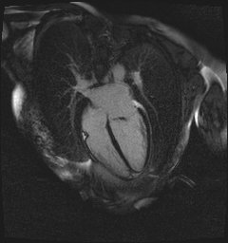
Background Fabry disease is an X-linked lysosomal storage disorder characterized by heterogeneous clinical expression, particularly in female patients, in whom cardiac involvement may be subtle and diagnosis delayed. Cardiopulmonary exercise testing (CPET) provides an integrated assessment of cardiovascular, pulmonary, and peripheral responses to exercise and may help identify early functional abnormalities. Case summary A 30-year-old woman was evaluated for unexplained exertional dyspnoea. Her medical history included recurrent febrile episodes in childhood, arthralgia, cold intolerance, hypohidrosis, and mitral valve prolapse with mild-to-moderate mitral regurgitation. Physical examination, resting electrocardiogram, and laboratory tests, including NT-proBNP, were unremarkable. Transthoracic echocardiography showed preserved left ventricular systolic function, normal global longitudinal strain, and no evidence of left ventricular hypertrophy. Cardiopulmonary exercise testing (CPET) revealed reduced peak oxygen consumption (22 mL/kg/min, 62% of predicted), impaired cardiocirculatory efficiency, a mildly increased VE/VCO₂ slope, and a reduced oxygen pulse with a flattened growth pattern, consistent with a primary cardiocirculatory limitation rather than pulmonary disease or deconditioning. These findings prompted further evaluation with cardiac magnetic resonance imaging, which raised suspicion of an infiltrative cardiomyopathy. Subsequent genetic testing identified a heterozygous pathogenic GLA mutation (c.377T>C; p.Phe113Leu), confirming the diagnosis of Fabry disease. Disease-specific therapy with migalastat was initiated. At 6-month follow-up, the patient reported improvement in exercise tolerance, fatigue, and neuropathic pain, along with resolution of proteinuria. Discussion This case highlights the pivotal role of cardiopulmonary exercise testing (CPET) in the diagnostic pathway of young female patients with unexplained dyspnoea and preserved resting cardiac function. CPET provided early functional evidence of cardiocirculatory impairment, guiding subsequent targeted imaging and genetic testing. An integrated CPET-based approach may facilitate earlier recognition of Fabry disease and other rare cardiomyopathies, enabling timely initiation of disease-specific therapy. These findings support the inclusion of CPET in the early diagnostic work-up of young patients with suspected cardiomyopathy and preserved resting cardiac function.