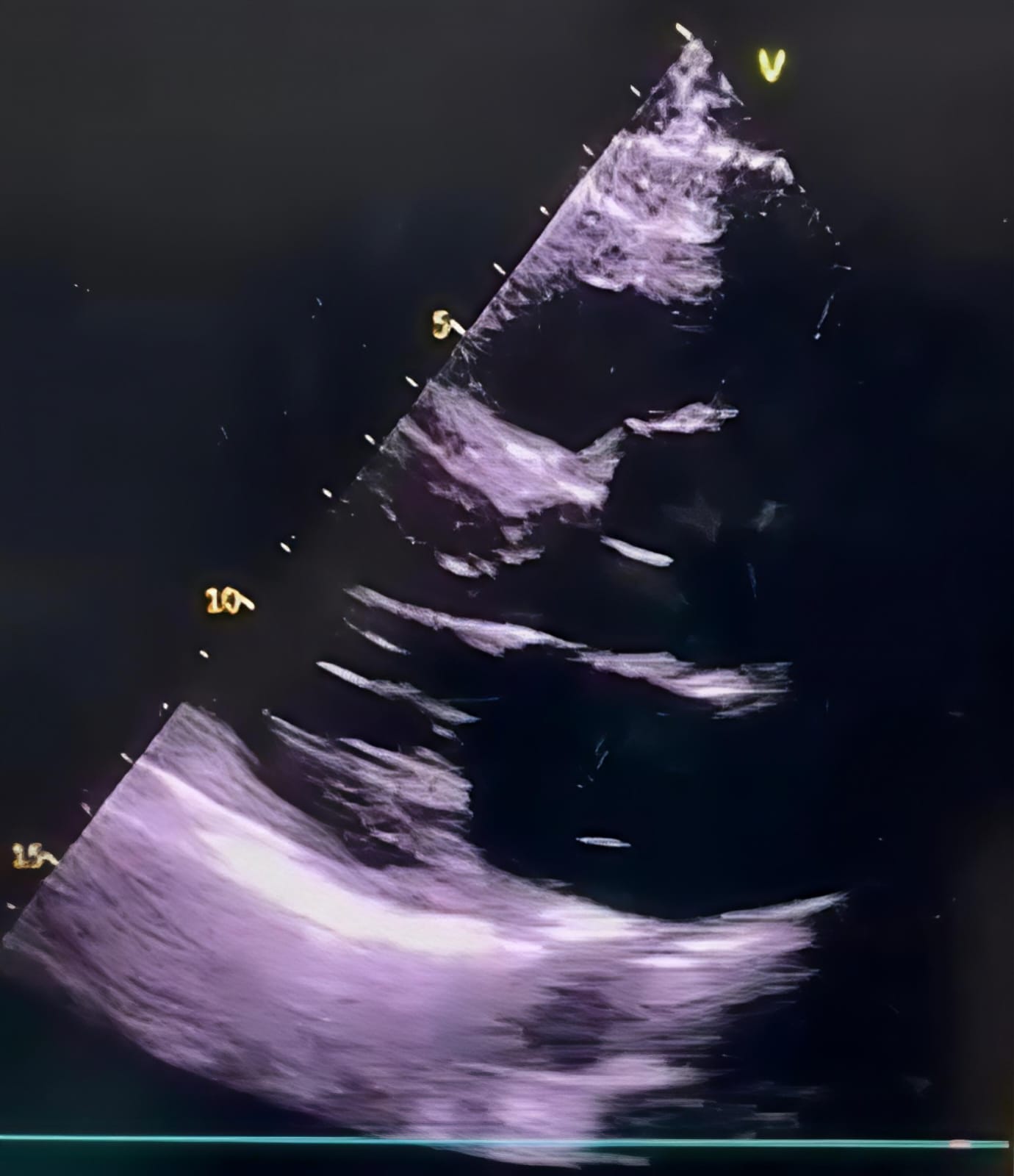
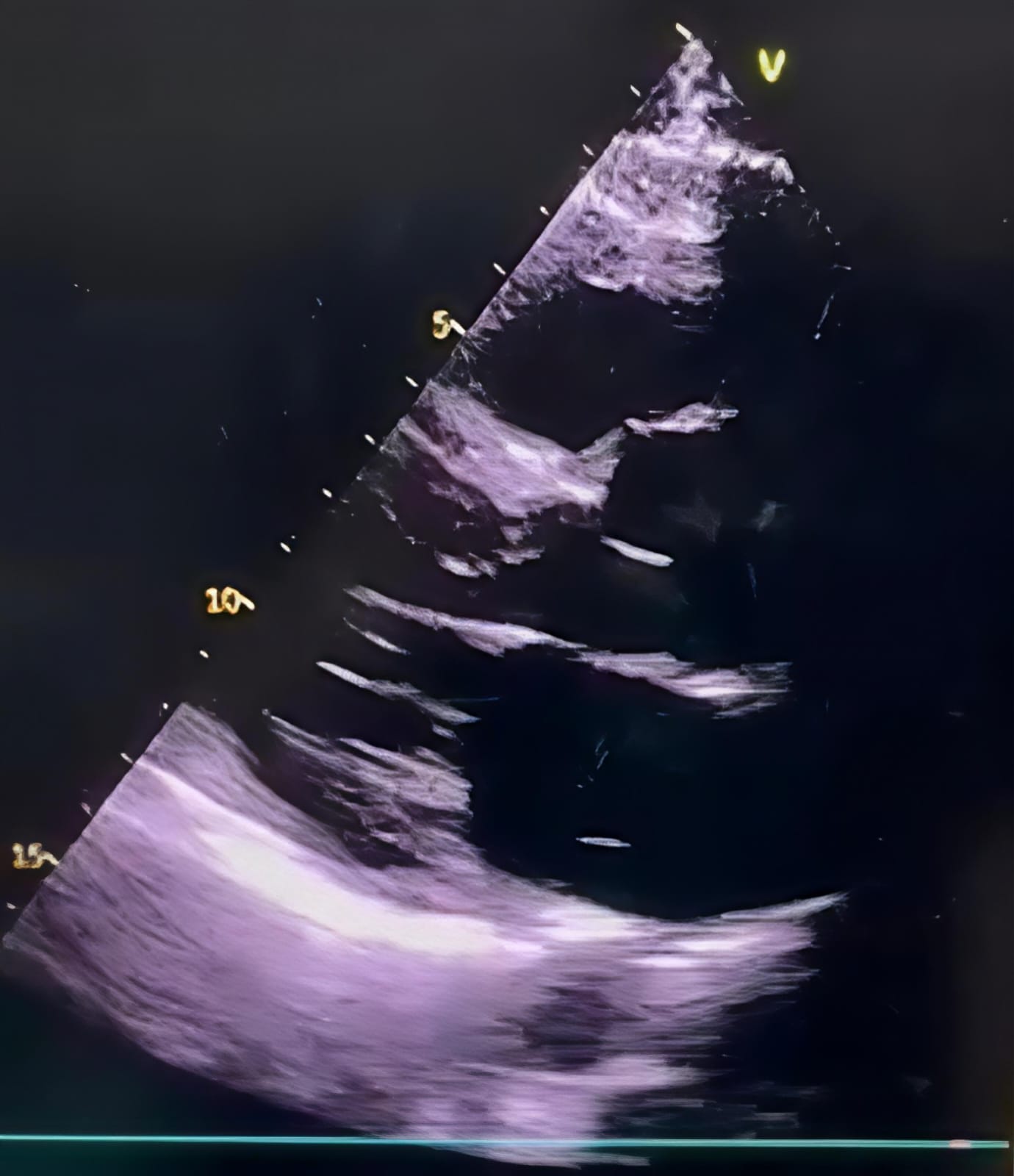
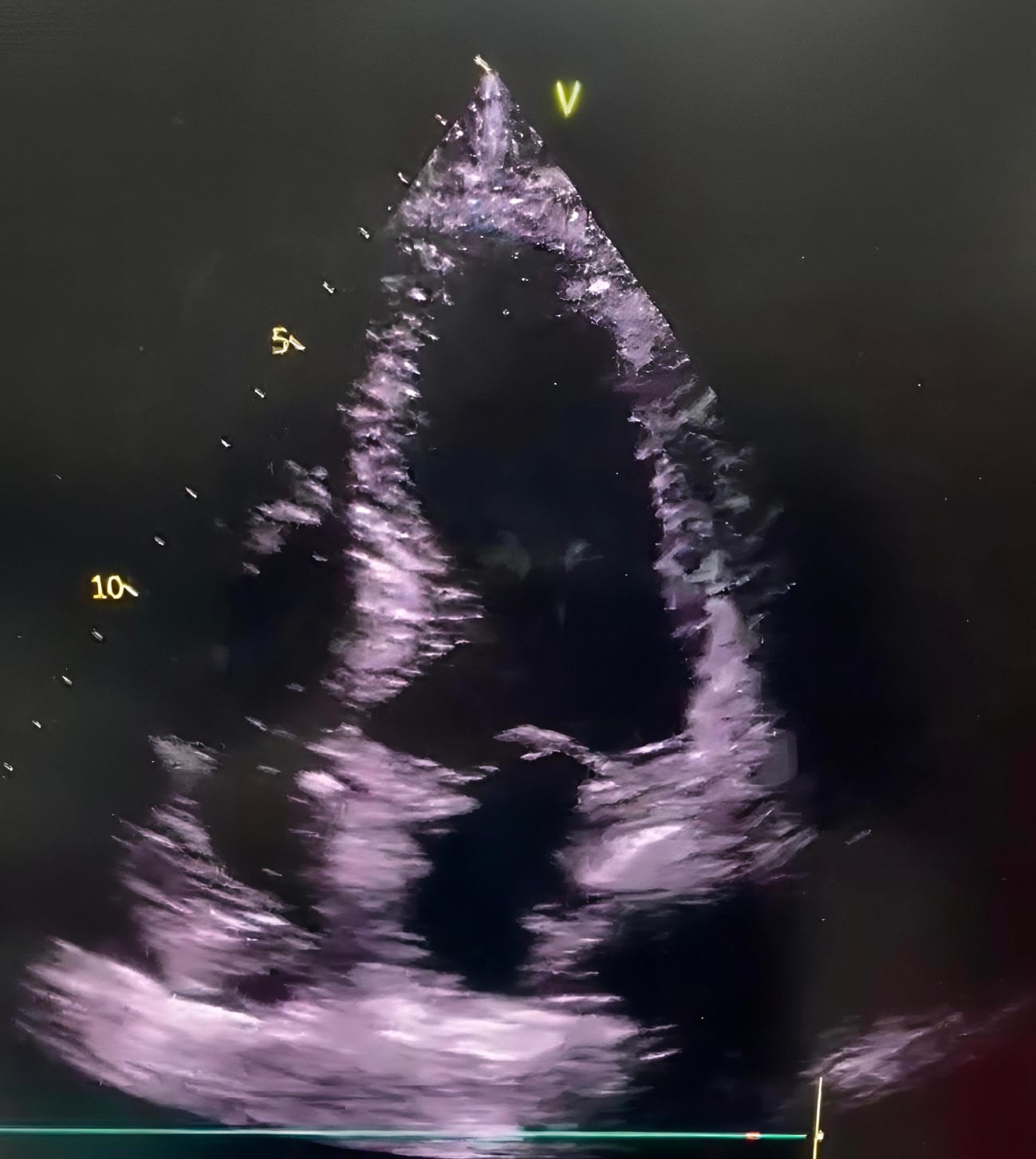
Vutrisiran is the first gene silencer to demonstrate clear clinical benefit. To date, vutrisiran has been approved for the treatment of ATTR with neuropathy following the positive results of the HELIOS-A study. The Phase 3 HELIOS-B study was developed to evaluate the drug's efficacy in patients with ATTR-CA. The results demonstrated a 28% reduction in all-cause mortality and cardiovascular events in the population treated with vutrisiran. We present the case of a 59-year-old patient previously diagnosed with TTR amyloidosis due to the Val-Met 30 mutation with multisystem involvement. This is an extremely complex patient, with symptom onset at age 35 with paresthesias of the lower limbs and subsequent diagnosis of variant amyloidosis. He was therefore initiated on tafamidis with poor results. Approximately 2 years later, he underwent a liver transplant and began treatment with patisiran. Over the years, the neurological condition progressively worsened, leading to almost total disability, forcing the patient to use a walker or, alternatively, a wheelchair. Over the years, progressive infiltration of the myocardium and conduction system was observed, requiring the implantation of a dual-chamber PMK for MNSA. The echocardiogram showed a moderate reduction in global systolic function (EF 40%) with concentric wall hypertrophy (SIV 16 mm, PP 12 mm, DTD 45 mm) with apical sparing (GLS -9), right ventricular hypertrophy with preserved longitudinal function, and diffuse thickening of the valvular apparatus. After several years of therapy with patisiran, the patient was switched to vutrisiran due to significant progressive polyneuropathy (as we know, to date, this drug is prescribed only by neurologists, despite the results of the HELIOS-B trial). The patient was referred for cardiac evaluation after two administrations of vutrisiran, reporting significant clinical improvement. At echocardiography, a striking improvement in global systolic function was observed, with a biplane EF of 52% and a GSL of -11% (at the previous follow-up, global systolic function was moderately reduced, EF 40%). This case highlights the importance and efficacy of this new drug, which can significantly improve global systolic function, thus resulting in an improvement in quality of life and functional capacity.