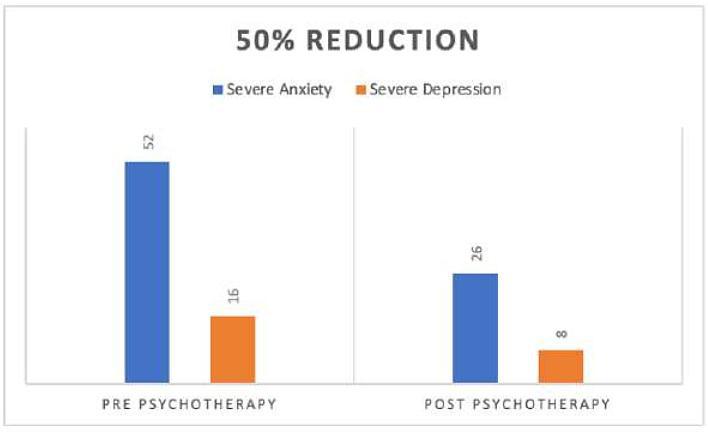
Introduction. Pulmonary arterial hypertension (PAH) is a rare, chronic, and progressive condition associated with high morbidity and poor prognosis despite advances in pharmacological therapies. Patiens are often required to manage complex multidrug regimens, including not only oral medications but also continuous intravenous or subcutaneous infusion and inhaled therapies, which substantially affect quality of life and illness perception. Comorbidities and the burden of complicated treatment plans frequently lead to psychological distress and decreased therapeutic adherence. In this context, psychotherapeutic support represents a crucial component of comprehensive patient care. Objectives. This study aimed to assess the prevalence of psychopathological symptoms, specifically stress, anxiety, and depression, in patients with PAH, and to evaluate the effectiveness of psychological intervention in improving adherence to complex pharmacological treatments. Materials and Methods. Patients underwent a structured psychological assessment using validated instruments. Levels of stress, anxiety, and depression were evaluated through the Hospital Anxiety and Depression Scale (HADS). Depressive symptomatology was further assessed using the Beck Depression Inventory-II (BDI-II), allowing discrimination between clinically depressed and non-depressed patients. Personality traits were examined using the Minnesota Multiphasic Personality Inventory-2 (MMPI-2), while cognitive functioning was evaluated through a comprehensive neuropsychological battery to identify potential cognitive deficits. Results and Conclusions. Qualitative and quantitative analyses identified anxiety as the predominant psychological profile among patients with PAH. Psychotherapeutic intervention was associated with a reduction in anxiety levels of approximately 50%. Moreover, an individualized and continuous psychotherapeutic approach was shown to significantly improve adherence to pharmacological therapies, with potential positive implications for patient survival. Psychotherapy thus emerges as an essential adjunct to medical treatment in PAH, enhancing overall therapeutic effectiveness, alleviating psychological distress, and improving patients’ emotional well-being and quality of life.