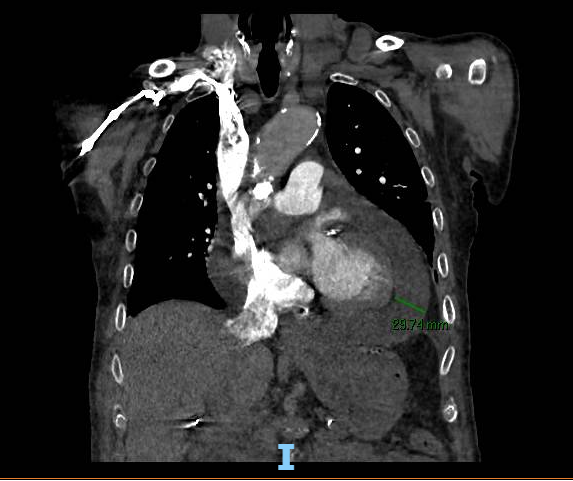
Introduction The ESC guidelines recommend high-dose NSAIDs combined with colchicine as first-line treatment for acute pericarditis. However, these recommendations are mainly based on studies conducted on young, clinically stable patients, while frail elderly patients are underrepresented. Case Presentation An 87-year-old man with multiple comorbidities, chronic renal failure and recent orthopaedic surgery was admitted to hospital with fever and atypical chest symptoms. Diagnostic tests revealed pleuro-myopericarditis with moderate-severe pericardial effusion, without haemodynamic instability. (Figure 1,2,3). In accordance with ESC guidelines, treatment with ibuprofen and colchicine was initiated but suspended early due to the onset of severe epigastric pain and worsening renal function, which persisted despite a reduction in dosage. It was therefore necessary to switch to systemic corticosteroids, with progressive clinical improvement, slow reduction of pericardial effusion and improving renal function. Discussion The case highlights the limitations of the first-line therapy recommended by the ESC guidelines in geriatric clinical practice. In frail elderly patients, the frequent coexistence of renal failure, polypharmacy and reduced physiological reserve exposes them to a high risk of intolerance and early discontinuation of NSAIDs and colchicine. In this context, corticosteroids, although associated with a higher risk of recurrence, may represent more pragmatic and clinically appropriate treatment option. Conclusion In frail older patients with acute pericarditis, the application of guidelines must be adapted to the individual risk profile. The choice of treatment should prioritise safety and tolerability, integrating ESC recommendations with clinical judgement and overall geriatric assessment: in the real world, the best treatment is not always that recommended by the guidelines, but that which is truly sustainable for the patient. Further research focused on older populations with acute pericarditis is needed to define more appropriate and safe therapeutic strategies.