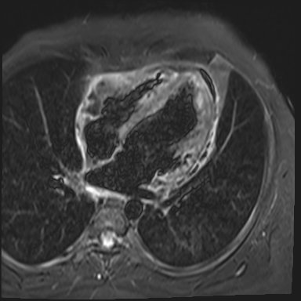
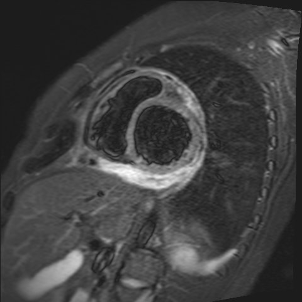
Background Mesalazine (5-aminosalicylic acid) is a first-line therapy for ulcerative colitis. Cardiac inflammation, including myocarditis and pericarditis, represents a rare but potentially serious adverse effect and may be difficult to distinguish from extraintestinal manifestations of inflammatory bowel disease. Case presentation A 20-year-old man with a recent diagnosis of ulcerative colitis presented with acute chest pain and fever after 20 days of oral mesalazine therapy. Electrocardiography showed ST-segment elevation in the inferior leads. Laboratory tests revealed elevated inflammatory markers, high-sensitivity troponin I (500 ng/L), and increased NT-proBNP levels (5,400 pg/mL). Transthoracic echocardiography showed left ventricular systolic function at the lower limits of normal (LVEF 50%) and a small pericardial effusion. Coronary CT angiography excluded significant coronary artery disease. Cardiac magnetic resonance revealed myocardial oedema and non-ischaemic meso-subepicardial late gadolinium enhancement, consistent with acute myopericarditis. Blood cultures and stool testing for common bacterial pathogens were negative. Based on the clinical presentation, the temporal relationship with mesalazine initiation, and the exclusion of alternative causes, mesalazine-induced acute myopericarditis was suspected. Mesalazine was discontinued, and treatment with colchicine and ibuprofen was initiated, while prednisone and metronidazole were continued for ulcerative colitis. Rapid clinical improvement was observed, with resolution of fever and chest pain and normalization of left ventricular systolic function (LVEF 60%, GLS –19.4%). Further evaluation revealed proteinuria and imaging findings suggestive of an inflammatory renal process, raising suspicion of mesalazine-associated interstitial nephritis. Discussion This case highlights mesalazine-induced myopericarditis as a rare early hypersensitivity reaction. Prompt recognition and drug discontinuation are essential, as they are usually associated with rapid and complete recovery.