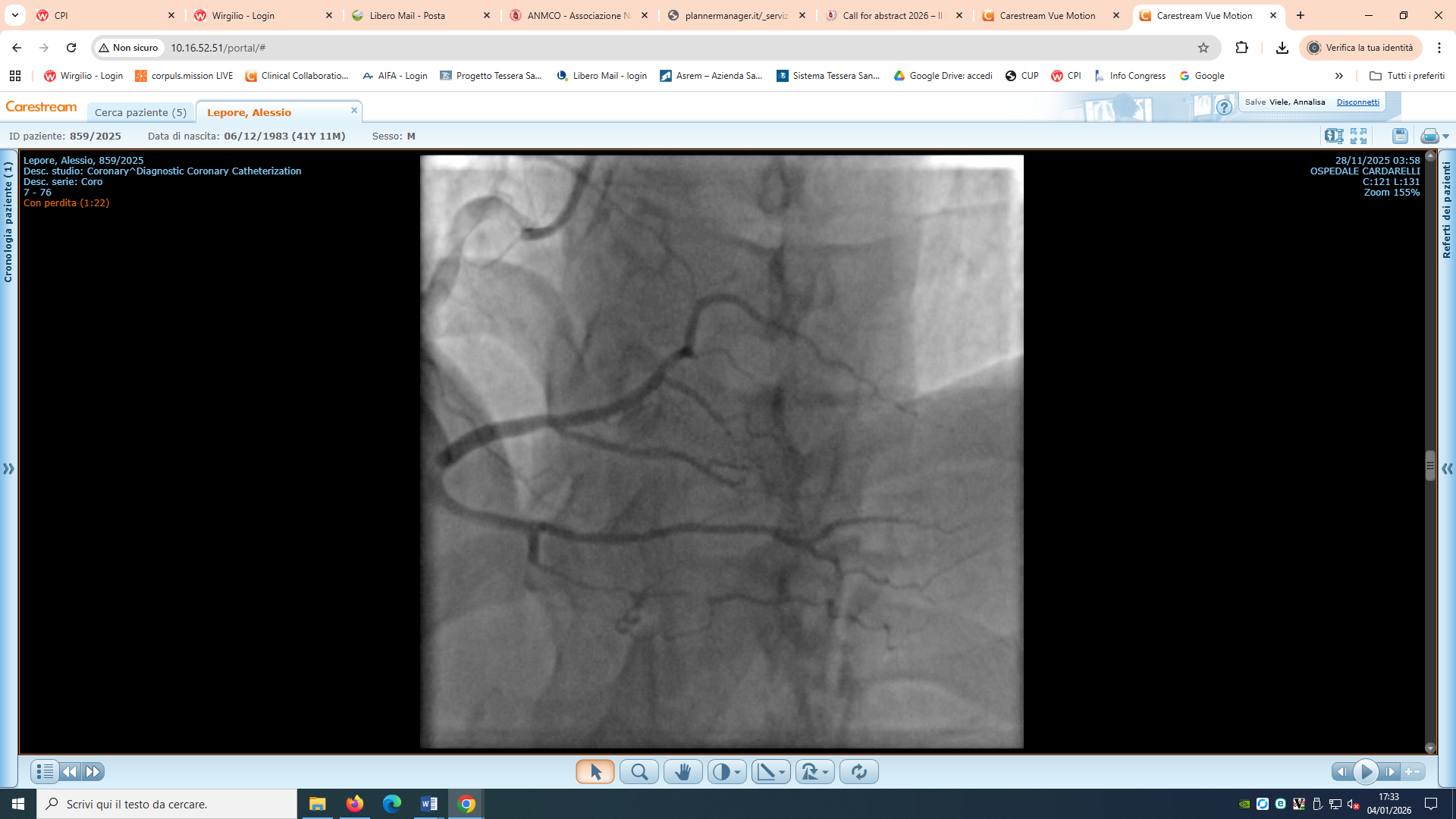
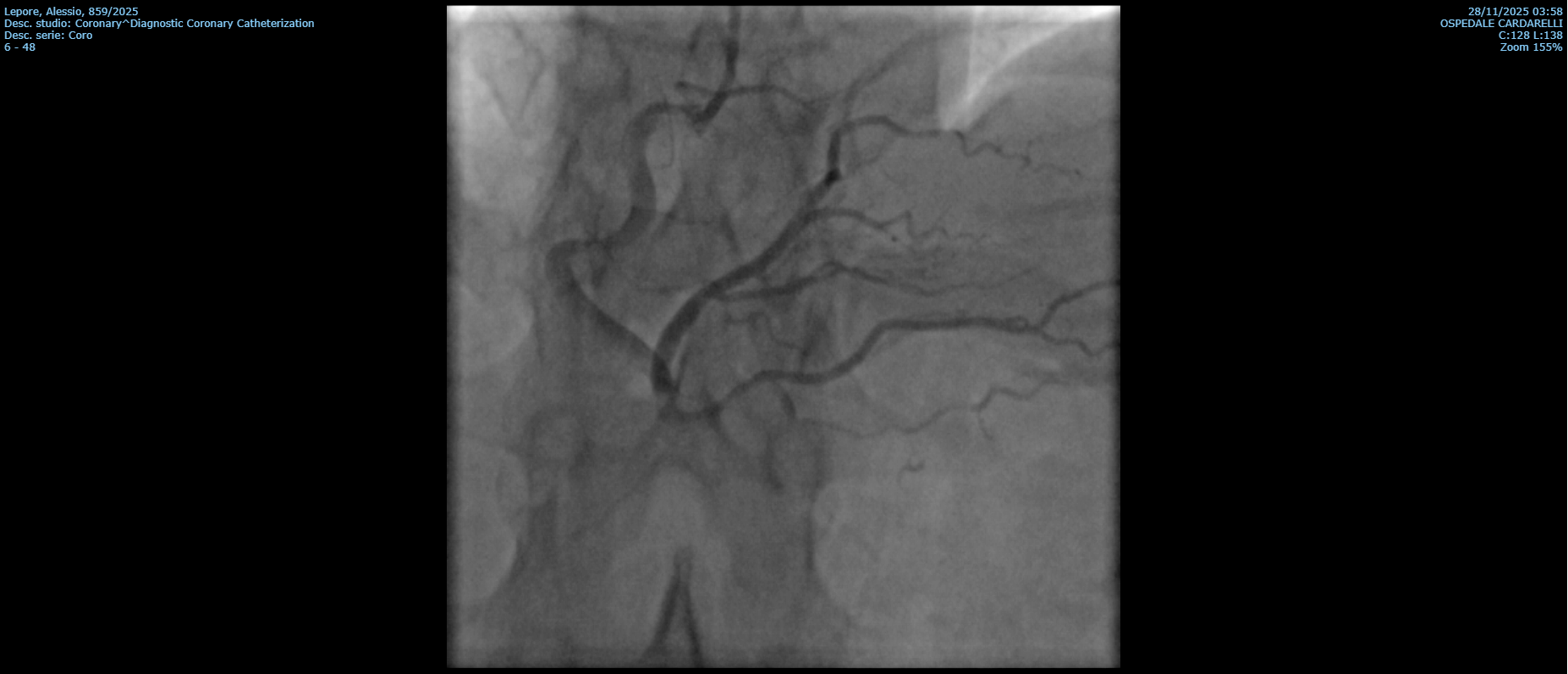
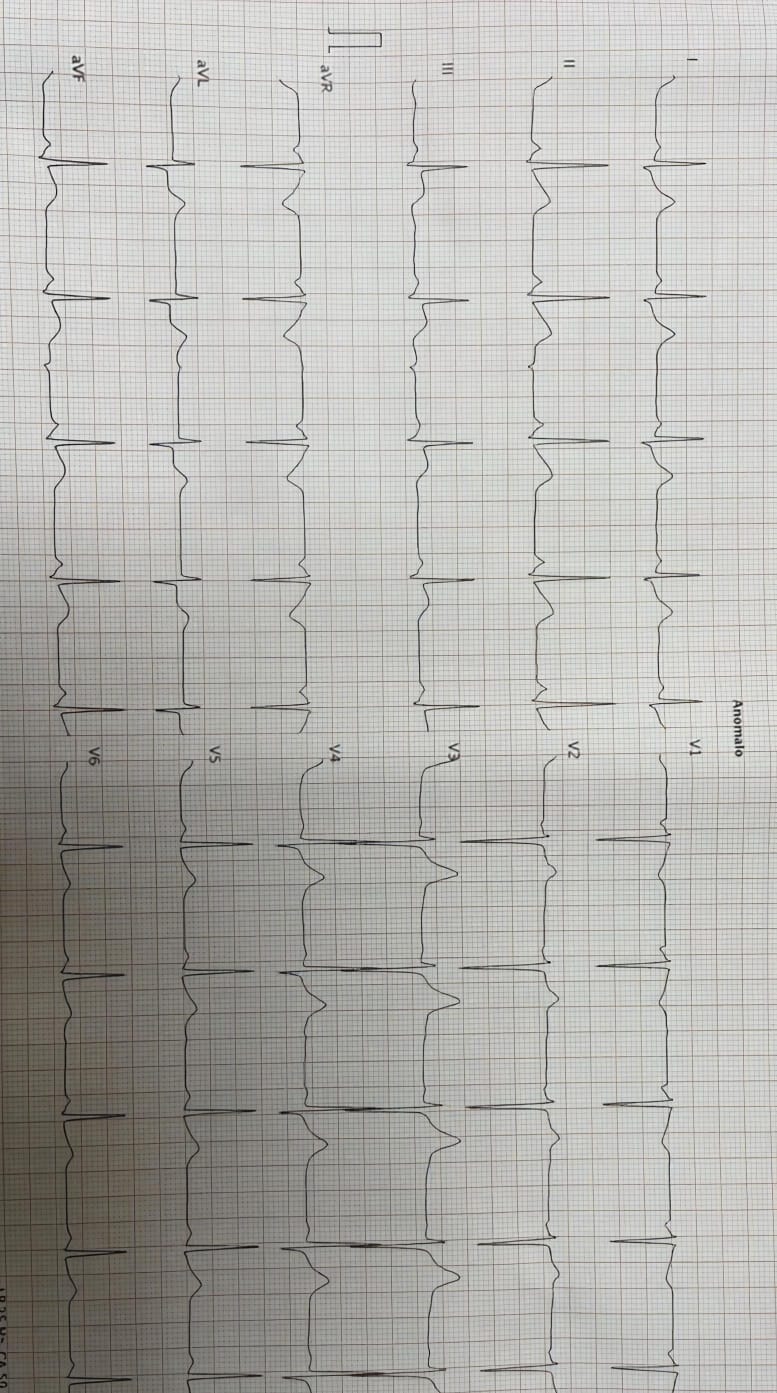
SCAD is a rare but increasingly recognized cause of AMI. SCAD is characterized by the formation of an intramural hematoma within the arterial wall, which leads to compression of the coronary lumen, resulting in myocardial ischemia. We present case of young male patient was admitted in emergency room cause of oppressive thoracic painful. A 41-year-old male patient, a regular athlete with no cardiovascular risk factors, presented to the emergency department with oppressive chest pain radiating to his left arm. The ECG showed ST-segment elevation in the inferior leads without mirror-image changes. An urgent coronary angiography, performed due to suspicion of inferior STEMI, revealed a critical reduction in caliber at the distal right ventricular branch of the right coronary artery, consistent with a type 2 coronary dissection. Importantly, there was no obstruction to antegrade flow. Given the angiographic findings and the absence of hemodynamic instability, a conservative management strategy was initiated. The patient’s clinical course was uneventful, with a gradual decrease in myocardial injury markers. An echocardiogram revealed no abnormalities in left ventricular function or wall motion. He was discharged in good general condition. The clinical management of SCAD has evolved in recent years, with evidence suggesting that conservative treatment is often effective. Most patients experience spontaneous healing of the arterial dissection, and interventions such as PCI are generally reserved for cases involving hemodynamic instability or proximal coronary involvement. Early identification and careful monitoring are essential, as SCAD patients may experience recurrent events or progression of dissection. In this case, the decision to adopt a conservative approach was supported by the patient's stable condition and the absence of significant coronary flow limitation. The patient’s favorable outcome further underscores the importance of conservative management in the majority of SCAD cases. SCAD is an uncommon but important cause of acute myocardial infarction, particularly in young, healthy males without traditional cardiovascular risk factors. Early diagnosis and conservative management are key to a favorable outcome. Conservative treatment should be the first-line approach in most cases of SCAD. Further research is needed to better understand the pathophysiology of SCAD in men and to refine management strategies for this rare condition.