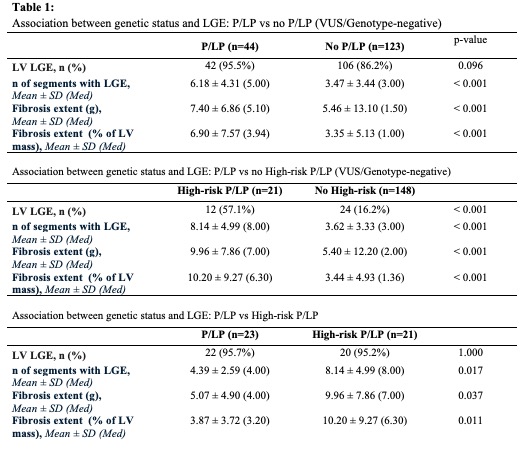
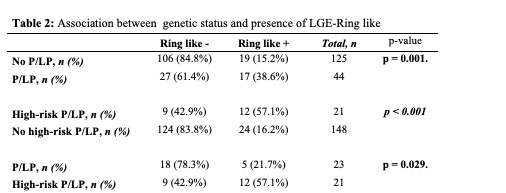
Background: Non-dilated left ventricular cardiomyopathy (NDLVC) is a heterogeneous and evolving entity, recently recognized as a distinct category in the 2023 European Society of Cardiology (ESC) Guidelines. Cardiac magnetic resonance (CMR) enables a multiparametric assessment, with myocardial strain emerging as a key functional marker. However, genotype–phenotype correlations in NDLVC remain poorly defined. Objectives: To evaluate the contribution of CMR in patients with NDLVC, focusing on myocardial strain and its relationship with fibrosis burden and genetic status. Methods: The study included 191 patients with CMR findings suggestive of cardiomyopathy who underwent CMR at the Fondazione Toscana Gabriele Monasterio (Pisa and Massa, Italy) between 2010 and 2022 after referral for ECG, Holter or echocardiographic abnormalities. A standardized CMR protocol including strain analysis and late gadolinium enhancement (LGE) assessment was applied. LGE extent was quantified as involved left ventricular segments, LGE mass (g), and percentage of affected myocardium; ring-like patterns were also evaluated. Comprehensive genetic testing was performed, identifying pathogenic or likely pathogenic (P/LP) variants and mutations in high-risk genes. Associations between CMR findings and genetic status were analyzed. Results: Patients with NDLVC showed reduced strain values despite normal ventricular volumes and ejection fraction (EF). Strain impairment correlated with wall motion score index, LVEF (both p <0.0001) and fibro-fatty replacement (p=0.024). Abnormal strain was more prevalent in genotype-positive patients, but only myocardial fibrosis was significantly associated with genetic status. Genotype-positive patients, particularly carriers of P/LP variants, exhibited greater myocardial fibrosis irrespective of quantification method (all p<0.001) and a higher prevalence of ring-like LGE patterns (p<0.001). Among P/LP carriers, high-risk genotypes were associated with the greatest fibrotic burden (median LGE 9.9g) and a higher prevalence of ring-like patterns (57.1% vs 21.7%, p=0.029). Conclusions: CMR provides comprehensive insight into NDLVC. Myocardial strain identifies early disfunction even in the absence of overt remodeling or reduced EF. A quantitative rather than dichotomous assessment of LGE extent and ring-like patterns strengthened genotype–phenotype correlations, supporting myocardial scarring as a marker of a genetically mediated arrhythmogenic substrate.