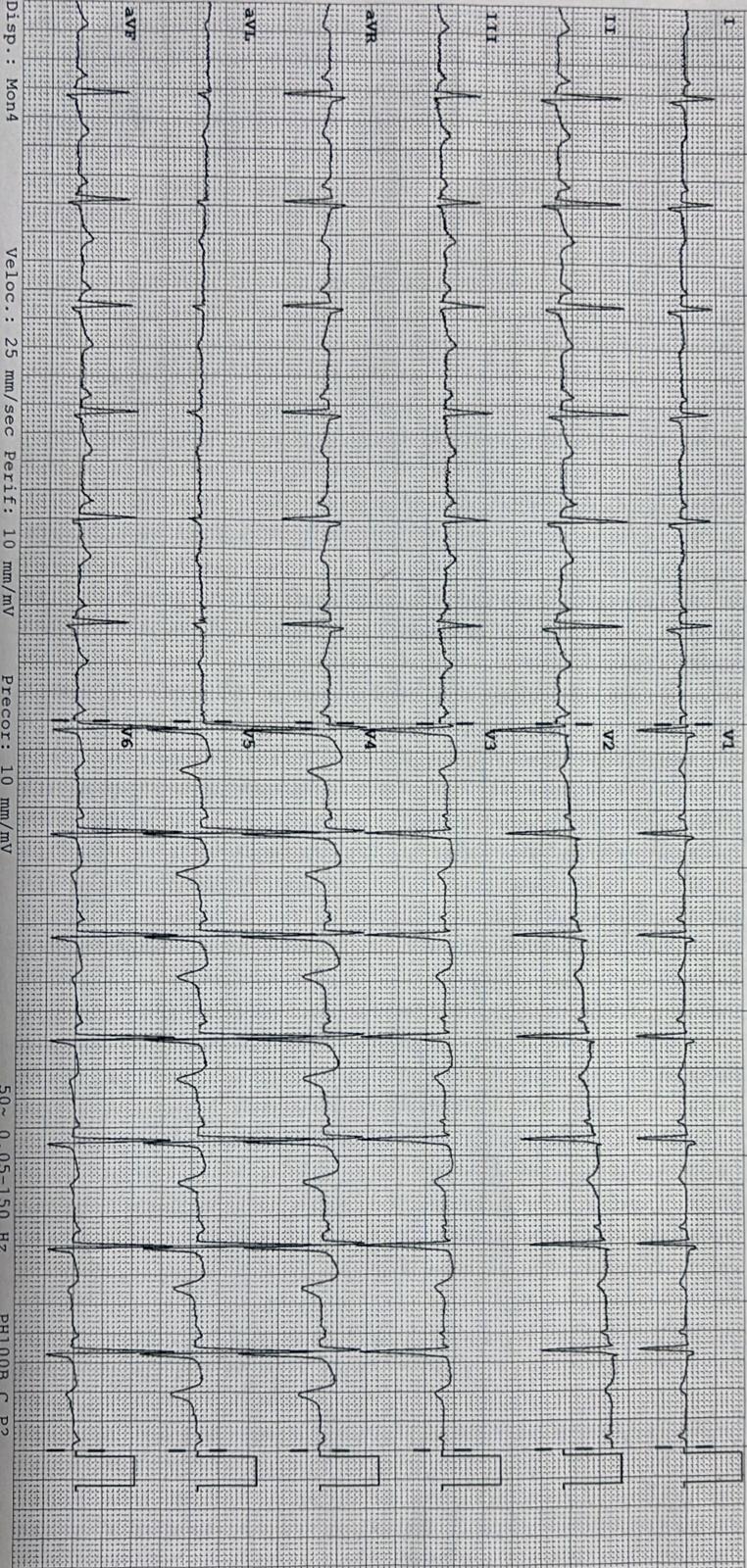
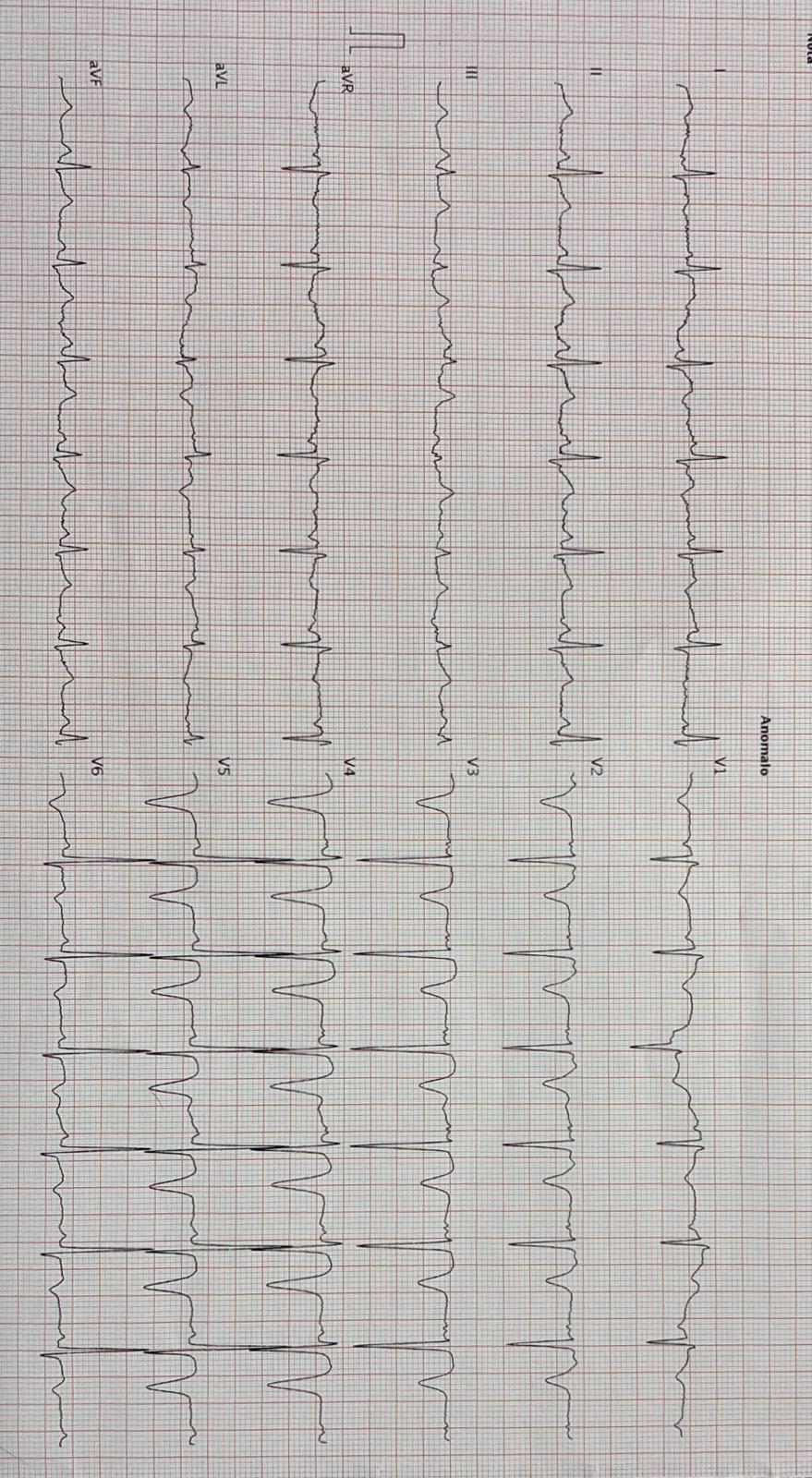
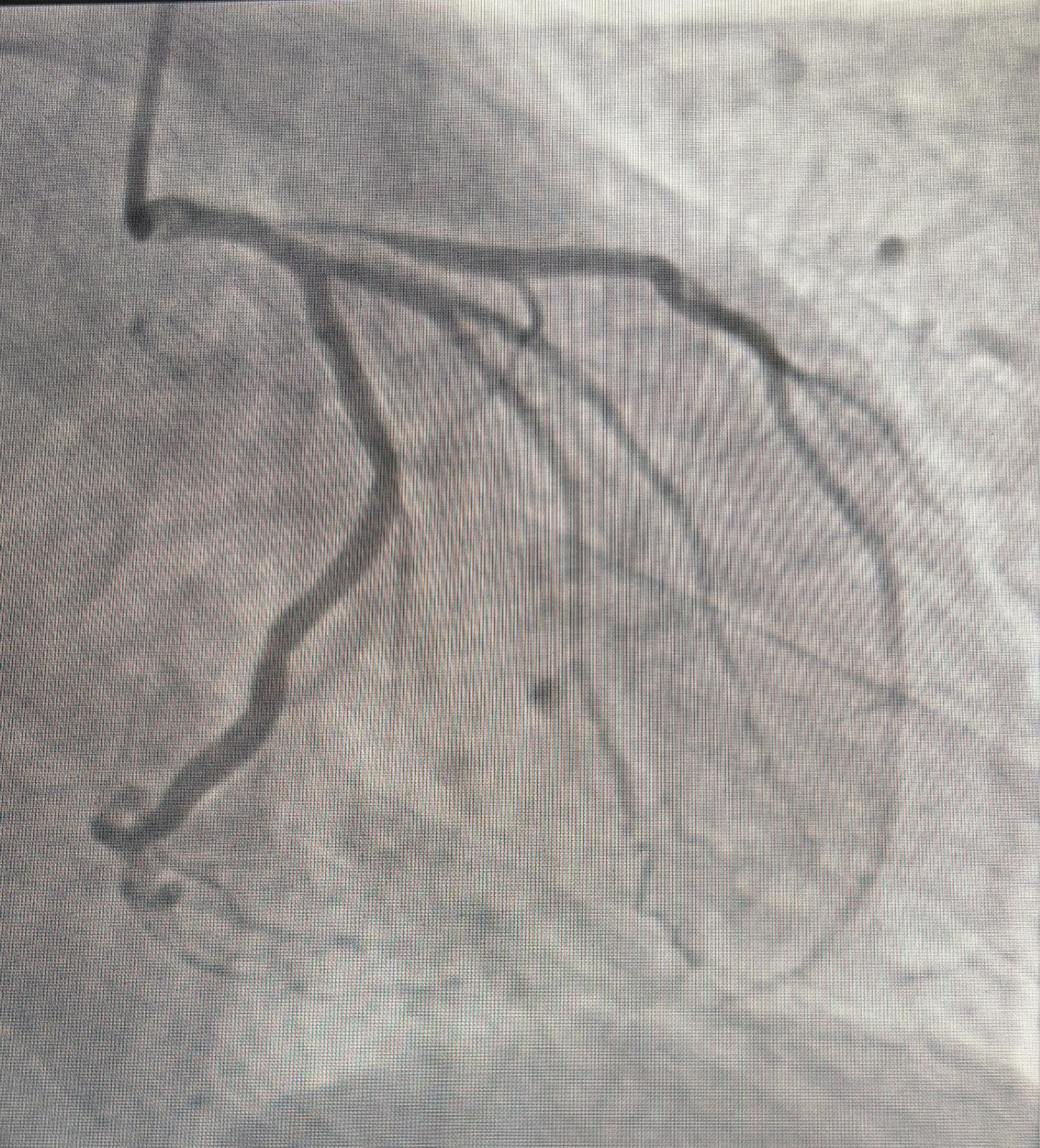
Wellens syndrome is an electrocardiographic pattern characterized by biphasic (type A) or deeply inverted (type B) T waves in leads V2-V3. It is typically caused by temporary obstruction of the left anterior descending (LAD) coronary artery due to rupture of an atherosclerotic plaque, leading to occlusion. We present a clinical case of a patient whose ECG evolved from type A to type B. Case Presentation A patient arrived in the Emergency Department (ED) due to recurrent episodes of oppressive chest pain lasting about 10 minutes, resolving spontaneously. The ECG showed a Wellens pattern of type A, which gradually progressed to type B. Echocardiography revealed apical akinesia and moderately reduced global systolic function. Urgent coronary angiography revealed a sub-occlusion of the proximal LAD. A PCI was performed with implantation of a DES TC-LAD and kissing balloon TC-LAD-Cx. TIMI flow was 3. A follow-up echocardiogram showed improvement in the previously altered kinetic abnormalities. The patient was discharged asymptomatic and in good general condition. Discussion Wellens syndrome is a strong predictor of impending anterior myocardial infarction, often due to transient LAD obstruction. The progression from type A to type B suggests worsening ischemia and instability of the coronary lesion. Our patient's evolution in ECG pattern emphasized the need for urgent intervention. The successful PCI with DES implantation restored coronary perfusion and improved myocardial function, confirming the effectiveness of early treatment. Conclusions This case highlights the importance of recognizing Wellens syndrome early to prevent myocardial infarction. Timely PCI and the use of drug-eluting stents effectively restored coronary flow, improving myocardial function. Early intervention is crucial in managing Wellens syndrome and preventing irreversible heart damage.