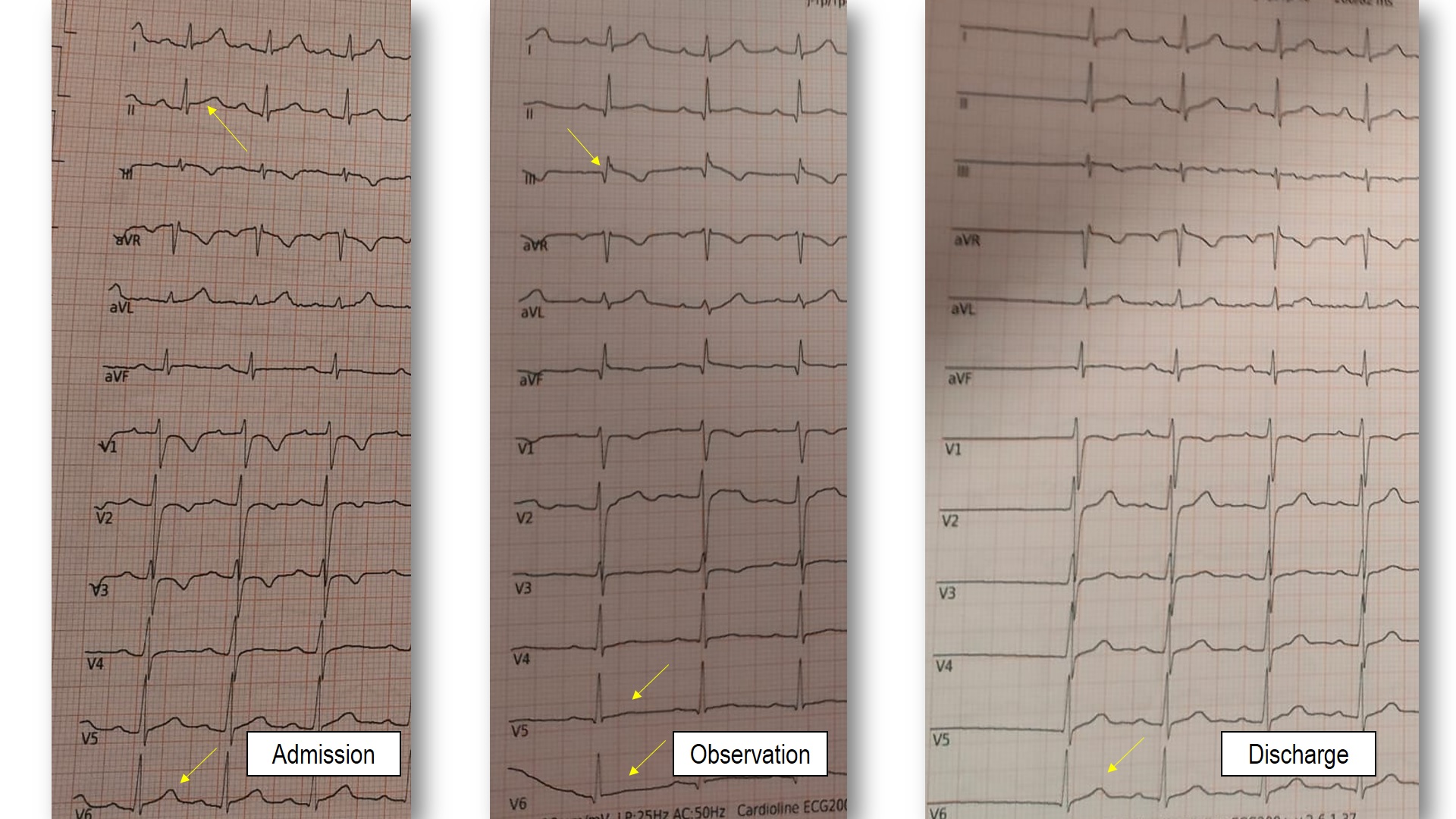
Introduction In the pediatric population, viral infections represent the most common cause of myocarditis. Bacterial forms are not only rare but also likely underdiagnosed. The association between acute or active Campylobacter jejuni infection and myocarditis is exceptionally uncommon, despite the steadily increasing global incidence of Campylobacter-related gastroenteritis. Case report We report the case of a 15 yo boy who presented to the ED with fever, diarrhea, and abdominal pain of approximately 3 days’ duration. During initial evaluation, a significant elevation of cardiac troponin was detected (692 pg/mL), prompting transfer to our Pediatric Cardiology Unit. At admission, the patient was in good general condition and asymptomatic from a cardiac standpoint. EKG showed sinus rhythm with concave ST-segment elevation in the inferior leads. Echocardiography revealed hypokinesia of the inferior wall with normal EF. Stool testing for gastrointestinal pathogens was positive for Campylobacter . Although a watch-and-wait approach may be considered in uncomplicated cases, given the presence of cardiac involvement and persistent gastrointestinal symptoms, antibiotic therapy with azithromycin was initiated, resulting in rapid clinical improvement. During hospitalization, progressive normalization of troponin levels, resolution of electrocardiographic abnormalities, and complete recovery of echocardiographic findings were observed. The patient was discharged after one week in good clinical condition. Discussion Campylobacter -associated myocarditis is a rare condition, predominantly reported in adolescent males and often preceded by febrile gastroenteritis. Clinical presentation is heterogeneous and may include chest pain, EKG abnormalities, and elevated markers of myocardial injury, with generally mild and reversible echocardiographic findings, although fatal outcomes have been reported. The underlying pathophysiological mechanisms remain unclear and may involve direct bacterial invasion, toxin-mediated injury, or immune-mediated processes. Available evidence, largely based on case reports and small case series, suggests a generally favorable prognosis with targeted antibiotic therapy and appropriate cardiac monitoring. Early recognition allows appropriate monitoring and timely treatment of a potentially severe yet often reversible condition.