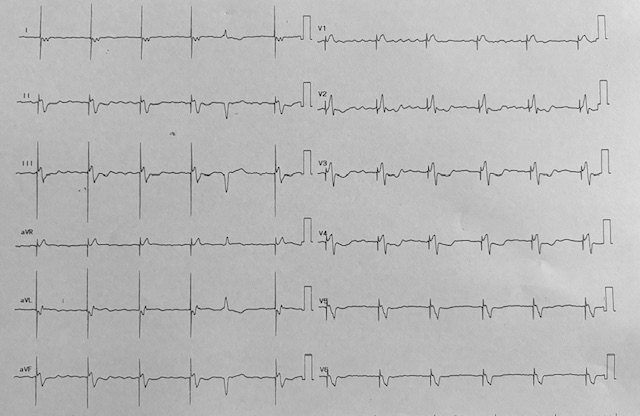
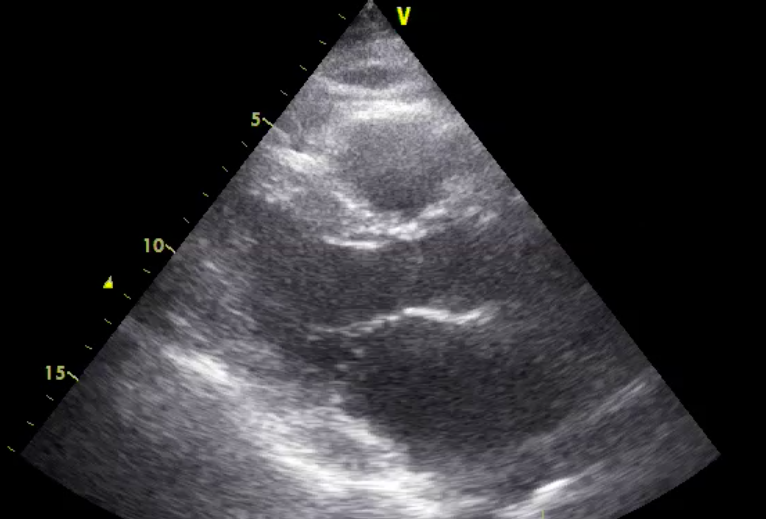
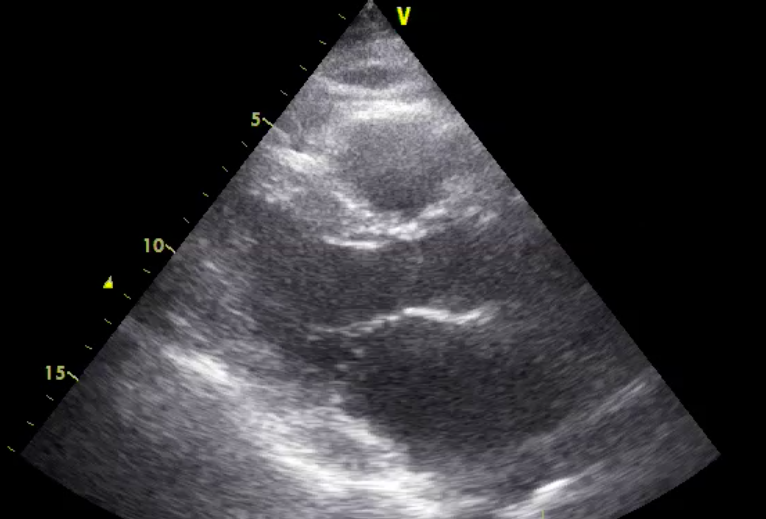
INTRODUCTION: Hypertrophic cardiomyopathy (HCM) is a genetic myocardial disease caused by sarcomeric mutations, most commonly involving MYBPC3 and MYH7 genes. While the obstructive form is prevalent, a minority of non-obstructive patients may progress to a dilated–hypokinetic phase characterized by systolic dysfunction, myocardial fibrosis, and poor prognosis. This advanced phenotype is associated with malignant ventricular arrhythmias, including ventricular tachycardia (VT) and arrhythmic storm, often persisting despite implantable cardioverter-defibrillator (ICD) therapy. CLINICAL CASE: A 56-year-old man with genetically confirmed non-obstructive HCM (MYBPC3 mutation), evolved to a dilated–hypokinetic phase (LVEF 35–40%), was followed for permanent atrial fibrillation and ICD implantation since 2018. Due to recurrent sustained VT with multiple appropriate ICD therapies, he was admitted in June 2025. During hospitalization, arrhythmic storm occurred and was treated with intravenous lidocaine followed by oral mexiletine and metoprolol. A CRT-D upgrade was performed, and coronary angiography revealed a posterolateral circumflex stenosis treated with percutaneous revascularization. Despite therapy optimization, VT recurred and beta-blocker therapy was switched to nadolol. In August, the patient was readmitted for arrhythmic storm during nosocomial sepsis caused by Pseudomonas oryzihabitans from phlebitis, treated with intravenous antibiotics. Endocardial VT ablation with electroanatomical mapping (CARTO) showed extensive inferolateral scar. Despite acute non-inducibility, early arrhythmic recurrence occurred, and the patient was referred for epicardial ablation, complicated by aortic cusp rupture requiring cardiac surgery. CONCLUSIONS: The dilated–hypokinetic evolution of HCM is a complex and under-recognized condition associated with severe arrhythmic burden. Management often requires a multimodal and multidisciplinary approach. Early referral to specialized centers is essential to anticipate disease progression and consider advanced therapies, including heart transplantation.