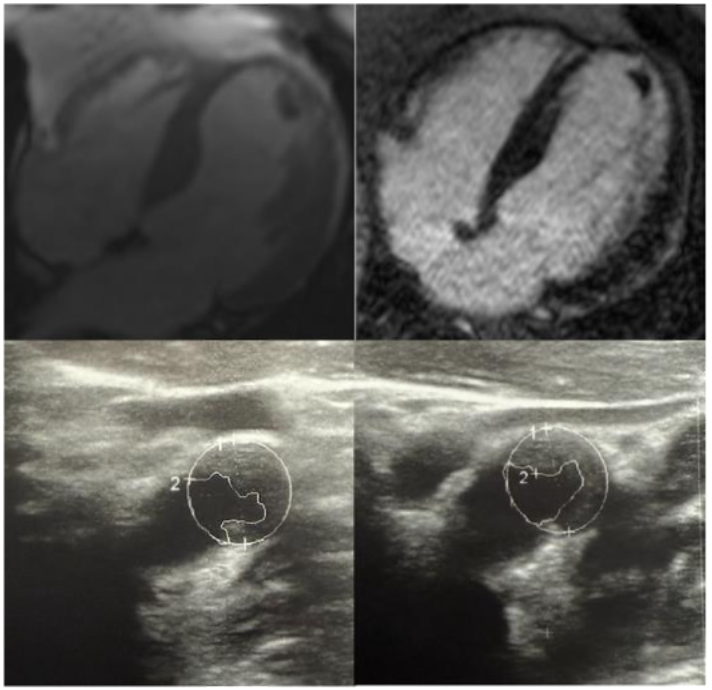
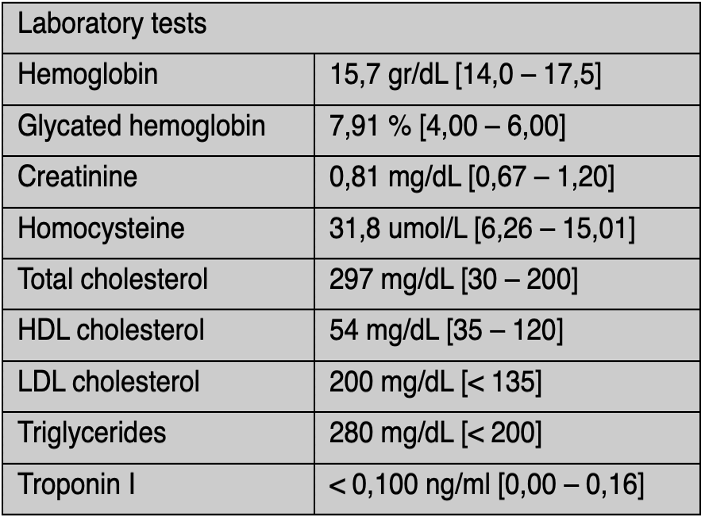
Syncope is characterized by a transient loss of consciousness occurring because of a self-limited and spontaneously terminating period of global cerebral hypoperfusion. Fainting, in an alcoholic, can be caused by several factors related to alcohol abuse, including heart problems, dehydration, hypoglycemia, or alcohol withdrawal syndrome [1]. Description: A 60-year-old man was admitted from the emergency room with a diagnosis of « recurrent syncope in a patient with a history of alcohol abuse» . After a more detailed anamnesis, the patient denied recent alcohol abuse. In his medical history: obesity, hypertension, type II diabetes mellitus in decompensation, diabetic polyneuropathy, previous hospitalization for loss of consciousness attributed to a probable “tonic-clonic seizure in a non-epileptic patient” , essential tremor. In the emergency room, a cranial CT scan was performed, negative for acute episodes. On admission the patient was haemodynamically stable, blood tests showed hyperglycemia, hypertrygliceridemia and hypercholesterolemia. The following were performed: Holter ECG (absence of noteworthy arrhythmic episodes); echocolordoppler of the supra-aortic trunks ( right ICA 65% stenosis ); echocardiogram (apical hyperechogenic oval formation of approximately 1 cm, in the absence of angina symptoms or confirmed previous ischemic episodes). Warfarin and clopidogrel therapy was started and lipid-lowering and hypoglycemic therapy was optimized while awaiting evaluation with cardiac MRI, which showed “ outcomes of anteroseptal transmural ischemia and fibrocalcific blood clot in the apical area ”. Subsequently , anticoagulant therapy was modified by introducing rivaroxaban in place of warfarin, in accordance with the clinical evidence of the RIVAWAR study [2] . Conclusions: Syncope may involve multiple etiologies operating simultaneously. The multiple syncopal episodes, initially related to a history of potus and diabetic neuropathy, were later diagnosed as having atherosclerotic vascular and cardiac etiology, in the context of the progression of metabolic syndrome , resulting in a perfect example of continuity between thrombotic and cardiovascular risk. Antiplatelet and anticoagulant therapy, along with adequate lipid-lowering and hypoglycemic therapy, were set and adequate over time. The patient is undergoing follow-up at our center. Acknowledgements: [1]. Benditt DG et al. Phys Rev 2025 Jan [2]. JA Shah et al. RIVAWAR An Open-Label RCT. JACC Adv 2025 Aug.