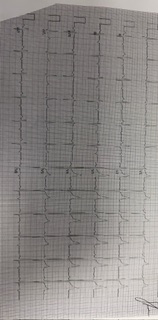
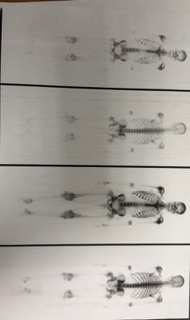
Background: Cardiac amyloidosis in individuals of African ancestry is most commonly associated with the autosomal dominant transthyretin (TTR) gene variant Val142Ile, which is linked to an age-dependent increase in heart failure risk. This has relevant implications for early screening. Purpose: A 26-year-old African male on chronic hemodialysis since 2020 underwent renal biopsy, which revealed advanced chronic kidney disease. In 2024, cardiac evaluation raised suspicion of restrictive cardiomyopathy. Transthoracic echocardiography showed mild left ventricular systolic dysfunction with an apical sparing pattern and severely reduced global longitudinal strain (GLS 10%). Cardiac magnetic resonance demonstrated diffuse left ventricular hypokinesia with reduced ejection fraction, late gadolinium enhancement of the inferolateral wall, mid-basal anterior septum, inferior septum, and mid-lateral wall, along with increased native T1 mapping values. Bone scintigraphy showed no myocardial tracer uptake. Serum and urine protein electrophoresis and immunofixation were negative for monoclonal components.Genetic testing identified a pathogenic TTR Val142Leu mutation. Based on imaging findings, a provisional diagnosis of hereditary transthyretin amyloid cardiomyopathy with a cardiac phenotype (NAC stage 3) was considered. To confirm amyloid deposition, abdominal fat pad biopsy was performed but was non-diagnostic. Subsequent ^18F-flutemetamol PET/CT showed no evidence of myocardial amyloid deposition. Endomyocardial biopsy was also negative for amyloid on Congo red staining and immunohistochemistry. Conclusion: Despite the presence of a pathogenic TTR mutation and imaging findings suggestive of amyloid cardiomyopathy, extensive multimodal evaluation failed to demonstrate amyloid deposition and disease-modifying therapies were not initiated.