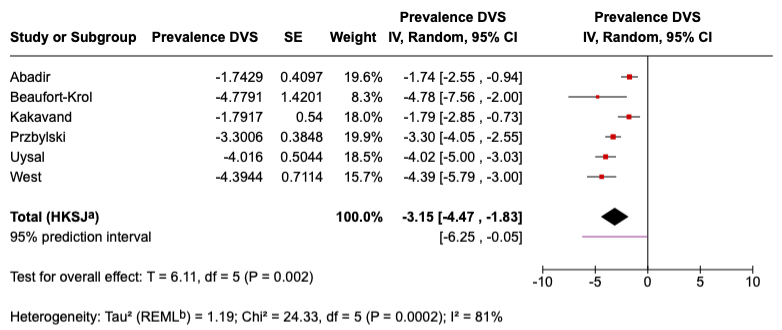
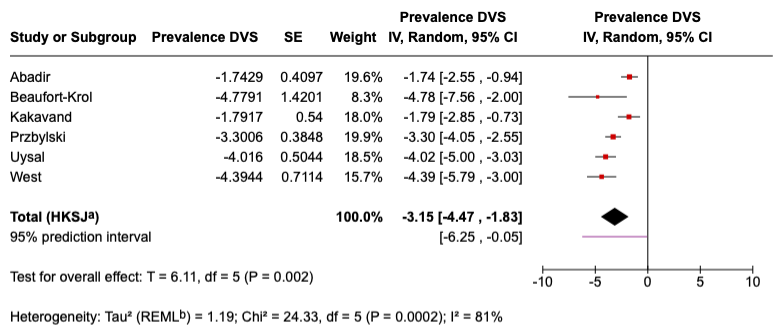
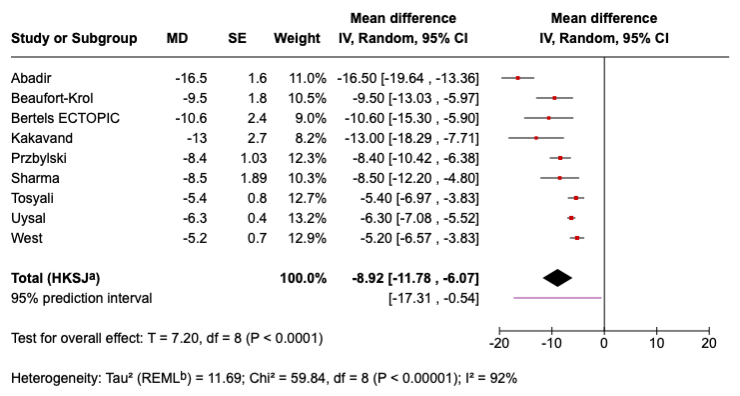
Introduction: Premature ventricular complexes (PVCs) are common ECG findings in children with structurally normal hearts and usually follow a benign, self-limiting course. Evidence shows frequent spontaneous resolution, although high PVC burden may induce ventricular dyssynchrony and reversible LV dysfunction. This review, developed with the support of the AIAC Working Group on Arrhythmias, outlines current knowledge and shared recommendations. First-line evaluation includes ECG, echocardiography, Holter monitoring and exercise testing to confirm suppression during exertion. Complex PVCs or suspicion of myocarditis/cardiomyopathy may require second-level tests such as cardiac MRI, CT, electrophysiological study or genetic analysis. Annual follow-up is advised. Therapy is generally unnecessary in asymptomatic children with preserved LV function; β-blockers are first-line when symptoms or functional impairment are present. The goal is reducing PVC burden, not full suppression. Ablation is reserved for refractory cases in specialized centres. Overall, PVCs in paediatrics should be managed conservatively to avoid unnecessary interventions. Methods: A meta-analysis of the literature (2008–2024) was perfomed according to PRISMA guidelines, selecting nine studies for a total of approximately 1,000 children and young adults with structurally healthy hearts and documented PVCs. The primary outcomes were regression of arrhythmic burden and the onset of PVC-related left ventricular dysfunction. Results: The analysis confirms a favourable outcome, with partial or complete regression of PVCs in 40–60% of cases and an average reduction in burden of –8.9%. Ventricular dysfunction was rare (1.7–15%) and associated with high burden, complex morphologies and wide QRS. In the available case series, PVC-induced cardiomyopathy proved reversible after spontaneous regression or treatment. Conclusions: In the paediatric population, PVCs are mostly benign, but in specific circumstances they should be considered a “sentinel event” related to cardiomyopathies or channelopathies. Risk indicators include a positive family history of sudden cardiac death or cardiomyopathy, frequent or polymorphic PVCs, atypical electrocardiographic patterns, and failure to suppress during exercise. A structured diagnostic strategy supported by advanced imaging and genetic testing is essential for accurate risk stratification and prevention of potentially severe arrhythmic complications.